
Erick MartellOct 510 min read
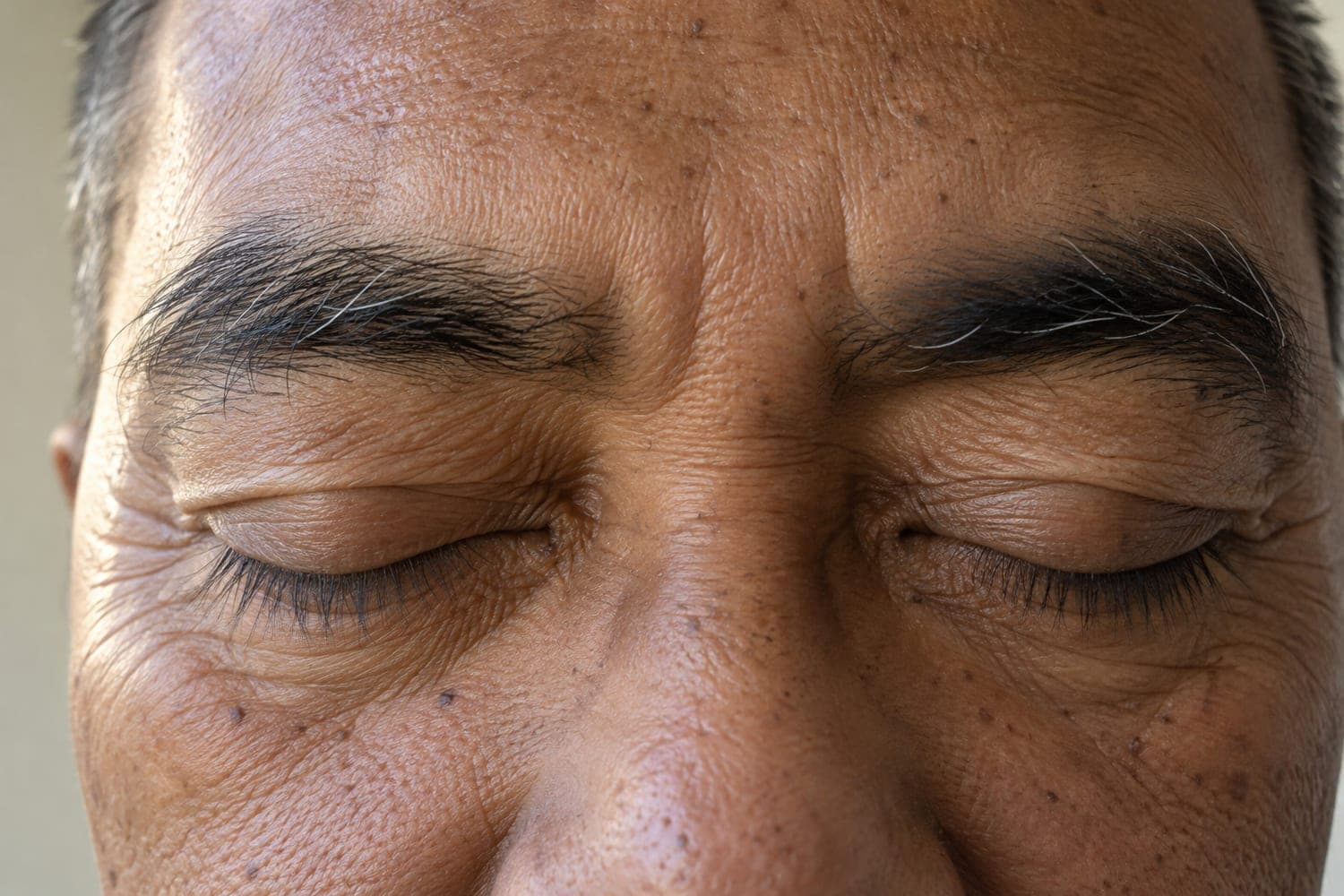
Changes around the eyes can affect more than appearance. Excess upper-eyelid skin may create a tired look and, in some cases, interfere with peripheral vision, while lower-eyelid changes may contribute to under-eye bags. Blepharoplasty is eyelid surgery that can address concerns above, below, or around the eyes, depending on your anatomy and goals.
Request a consultation in Fairbanks to discuss your questions and options with a Surgeon.
Patients in Fairbanks, Alaska, considering blepharoplasty may have cosmetic, functional, or combined goals. A consultation helps clarify whether upper eyelid surgery, lower eyelid surgery, or another approach aligns with your concerns, health history, and expectations.
For adults in Fairbanks and Interior Alaska, understanding the differences between these procedures is a useful first step before discussing planning, recovery, and insurance with North Star Plastic Surgery.
What Fairbanks Patients in Alaska Should Know About Blepharoplasty
Blepharoplasty, sometimes called an eyelid lift, is surgery that removes excess skin from the eyelids. With age, eyelid skin can stretch and the supporting muscles can weaken, allowing excess skin or fat to gather above and below the eyes. These changes may contribute to droopy upper lids, under-eye bags, or a tired-looking appearance. Mayo Clinic explains the basic anatomy and purpose of blepharoplasty in its patient education guide.
North Star Plastic Surgery documents blepharoplasty as a facial procedure offered in Fairbanks, Alaska, serving patients from the Fairbanks area and Interior Alaska. The practice is led by Dr. Erick G. Martell, who is documented as board certified by the American Board of Surgery and the American Board of Plastic Surgery. You can review North Star's eyelid surgery information for the practice's service-focused overview. That page and this guide should not be read as a promise that a particular technique, result, or treatment plan will be right for every patient.
Aesthetic goals and functional concerns are different
Some adults explore eyelid surgery because they want their eyes to look less hooded, baggy, or tired. Blepharoplasty may help the eyes appear younger and more alert, although the appropriate approach depends on individual anatomy and goals. Upper and lower eyelid concerns are not identical, so a discussion should identify which area is changing and what the patient hopes to address.
Other patients notice a possible effect on vision. Severely sagging skin around the eyes can reduce peripheral vision, particularly in the upper and outer parts of the visual field. Excess upper-eyelid skin that partly blocks peripheral vision is a functional concern that should be described carefully during evaluation. Surgery may improve vision problems related to excess eyelid skin, but aesthetic improvement and functional correction are distinct questions. A consultation does not assume either concern or establish candidacy in advance.
How candidacy is considered
There is no single checklist that determines whether blepharoplasty is appropriate. Before scheduling surgery, a Surgeon discusses the patient's goals, considers whether the procedure is likely to work well for that individual, and performs a physical examination. For adults in Fairbanks and Interior Alaska, that conversation can help separate normal concerns about appearance from symptoms that may warrant further eye evaluation. It also gives the patient an opportunity to describe changes in peripheral vision, if present, and ask how upper or lower eyelid surgery relates to those concerns.
Upper Eyelid Surgery vs. Lower Eyelid Surgery: What Each Addresses
Blepharoplasty can involve the upper eyelids, lower eyelids, or both. The concerns are related, but they are not identical. Excess skin and fat can gather above and below the eyes, contributing to drooping upper lids, puffiness, or under-eye bags. A careful evaluation helps distinguish which area is contributing most to your concern and whether a combined plan should be considered.
Area
Concerns it may address
Planning considerations
Upper eyelids
Loose or droopy skin, folds, and fullness above the eyes. In some cases, excess skin may partly affect peripheral vision.
The plan considers the eyelid crease, surrounding brow and forehead anatomy, and whether the concern is primarily aesthetic or may have a functional component.
Lower eyelids
Under-eye bags, excess lower-eyelid skin, puffiness, fine wrinkles, or a lower lid that sits lower than desired.
The plan considers the lower eyelid skin, fat distribution, lid position, and the transition between the lower eyelid and cheek.
Upper and lower eyelids
Concerns affecting both the upper and lower eye area.
A combined approach may be discussed when the anatomy and goals support treating both areas, rather than assuming one procedure fits every patient.
General surgical descriptions note that upper-eyelid treatment may involve an incision within the natural crease. Lower-eyelid treatment may use an incision near the lower lash line or, in selected situations, an incision inside the lower lid. Techniques vary, and these descriptions should not be read as a guaranteed protocol for any individual. The appropriate plan depends on your anatomy, eye health, existing eyelid support, and goals.
For a local overview of the service, visit North Star's eyelid surgery information. A consultation can help clarify whether upper eyelid surgery, lower eyelid surgery, or another option better matches your needs in Fairbanks, Alaska.
What to Expect During Your Blepharoplasty Consultation in Fairbanks
A consultation is a focused conversation about what you want to change around your eyes and what an eyelid procedure may or may not address. Before scheduling surgery, you can expect to discuss your goals, relevant medical and eye history, and any concerns about appearance or vision. Sharing those details openly helps your Surgeon understand your priorities and establish realistic expectations.
At North Star Plastic Surgery, Dr. Erick G. Martell is documented as double board certified in General Surgery and Plastic and Reconstructive Surgery. The practice serves patients in Fairbanks and the surrounding Interior Alaska area. You can learn more about the practice's facial procedure offerings, including blepharoplasty, through its facial procedures offered in Fairbanks.
Discussing your goals and medical history
Patients may seek an evaluation for drooping upper eyelid skin, under-eye bags, or a desire for a more rested appearance. Some people also have concerns about excess upper eyelid skin and peripheral vision. Your consultation should distinguish aesthetic goals from possible functional concerns without assuming that surgery is appropriate or that insurance will cover it.
Bring a complete list of medications, supplements, allergies, prior surgeries, and relevant eye conditions or treatments. Tell the Surgeon about symptoms such as dryness, irritation, changes in vision, or difficulty closing the eyes. These details can help shape a safer, more individualized discussion. A physical examination is also likely before eyelid surgery, and the assessment may include looking closely at the eyelid area. The assessment also considers the surrounding anatomy and the relationship between your goals and your features. General medical guidance emphasizes that careful patient selection and comprehensive preoperative assessment are important parts of planning eyelid surgery.
Questions, candidacy, and an individualized plan
The consultation is also your opportunity to ask questions. You may want to ask whether upper eyelid surgery, lower eyelid surgery, or a combined approach relates to your goals. You can also ask about alternatives, risks, limitations, preparation, and follow-up. A Surgeon can discuss whether the procedure is likely to work well for your individual situation. Candidacy should be determined through an evaluation rather than an online checklist or a general promise.
Because eyelid surgery can be complex, patient education and participation in decisions matter. If you are ready to discuss your goals in person, you can schedule a plastic surgery consultation with the Fairbanks practice.
The Blepharoplasty Procedure Step by Step
Although each surgical plan is individualized, the general sequence of blepharoplasty follows a few familiar stages. The exact approach depends on whether the upper eyelids, lower eyelids, or both are being addressed, as well as your anatomy, goals, and medical history. The American Society of Plastic Surgeons describes the following steps as part of a typical eyelid surgery procedure.
Anesthesia and comfort planning.
Medication is used to support comfort during surgery. General medical references describe options that may include intravenous sedation or general anesthesia, depending on the procedure and the surgical plan. This information is general and should not be interpreted as a promise of North Star Plastic Surgery's exact anesthesia method. Your Surgeon will discuss the option considered appropriate for your circumstances.
Incision planning.
Incision lines are designed around the natural structures of the eyelid so that resulting scars can be concealed as much as possible. For upper eyelid surgery, an incision may follow the natural crease. For lower eyelid surgery, an incision may be placed just below the lower lash line. In some cases, a lower eyelid approach is made on the inside of the eyelid instead. The choice depends on what needs to be addressed, and not every technique is appropriate for every patient.
Tissue adjustment.
Through the planned incision, the Surgeon may remove or reposition excess fat, trim excess skin, or adjust selected muscle tissue. General descriptions of blepharoplasty include removing extra skin, muscle, and fat from the upper or lower lids. The goal is not to apply a fixed formula, but to address the concerns identified during evaluation while respecting the eyelid's function and surrounding anatomy.
Closing the incisions.
Once the planned tissue adjustment is complete, the skin is brought together. General procedure guidance notes that eyelid incisions may be closed with sutures or skin glue, and sutures may be removed within about a week. Your own instructions, if surgery is recommended, will explain the closure method and follow-up schedule selected for you.
Going home and beginning recovery.
Blepharoplasty is commonly described as an outpatient procedure, and many people go home the same day. However, discharge timing and the need for an accompanying adult depend on the procedure, anesthesia, health history, and the surgical team's instructions. Procedure length also varies with what is being done and whether another operation is combined with eyelid surgery. Learn more about
general eyelid surgery procedure steps from the ASPS
, then discuss your individual plan during a consultation about
facelift and eyelid surgery options
in Fairbanks.
Blepharoplasty Recovery for Fairbanks, Alaska Patients: Timeline and Tips
Recovery after blepharoplasty varies with the extent of surgery, your health, and how your body heals. Your Surgeon's individual instructions control, so use general timelines as preparation rather than a promised date for returning to work, exercise, or normal appearance. The American Society of Plastic Surgeons notes that early healing may include swelling, bruising, irritation, dry eyes, and discomfort. Cold compresses, lubricating ointment, and prescribed medication may be part of an individualized plan. Read the ASPS recovery guidance for general questions to discuss during your visit.
A general recovery timeline
First several days:
Swelling, bruising, eyelid numbness, irritation, dryness, and mild blurred vision can occur. Your eyes may also be more sensitive to wind and light. Plan for rest and ask when it is safe to drive or resume specific activities.
Early follow-up:
Your care plan may include checking the incisions, managing dressings or ointment, and discussing medication. Ask when stitches or dressings should be removed and when your follow-up visit should occur.
About two to three days:
General medical guidance reports that blurry vision often returns toward normal within this period, but your experience may differ. Contact your surgical team if vision changes concern you.
Following weeks:
Bruising and swelling gradually improve. One Mayo Clinic source describes full recovery as about two to four weeks, but this is not a fixed schedule, and subtle changes may continue as healing progresses.
Protecting your eyes while they heal
Follow instructions about cold compresses, ointment, medication, cleansing, activity, and exercise. Ask directly when you can bend, lift, work out, wear makeup, or return to work. Diligent sun protection matters during healing; ASPS recommends darkly tinted sunglasses until the healing process is complete. Avoid assuming that a comfortable day means the tissues are ready for every activity.
When to contact your surgical team
Call promptly about symptoms that may signal a complication, including signs of infection. Call promptly if you have a significant collection of blood or hematoma, severe or worsening pain, difficulty closing the eyes, or severe vision loss. Temporary blurred or intermittent double vision can occur during recovery. New, severe, or worsening vision symptoms deserve prompt medical attention. When in doubt, contact your surgical team rather than waiting for the next scheduled visit. Careful follow-up helps your Surgeon assess healing and answer questions specific to your recovery.
Sources: Mayo Clinic blepharoplasty information and peer-reviewed eyelid surgery review.
Is Blepharoplasty Covered by Insurance?
Insurance questions about blepharoplasty depend on both your health plan and the reason surgery is being considered. Aesthetic eyelid surgery intended only to improve appearance probably will not be covered, while coverage may depend on whether surgery addresses a condition that harms vision. These are general considerations, not a coverage determination for any individual patient. Mayo Clinic explains that insurance coverage might depend on whether the procedure repairs a vision-related condition.
For example, severely sagging upper-eyelid skin can reduce peripheral vision, but the presence of an eye-area concern does not by itself establish insurance eligibility. Your insurer may apply its own definitions, documentation standards, exclusions, authorization requirements, and plan limitations. Coverage policies and documentation requirements can vary, so avoid assuming that another patient's experience will match yours.
Questions to ask before scheduling
Does my plan distinguish functional eyelid surgery from cosmetic surgery?
What clinical documentation, photographs, examinations, or vision testing are required?
Is prior authorization required, and who submits the request?
Which exclusions, deductibles, coinsurance, or out-of-pocket responsibilities could apply?
Will the insurer identify an in-network Surgeon or facility requirement?
Start by calling the member-services number on your insurance card and ask for written information when possible. You can also discuss the clinical purpose of your consultation and what documentation may be relevant with the practice. If insurance does not apply to your planned care, review North Star's available procedure financing options, without treating financing information as a promise of approval or a quoted surgical cost.
Call North Star Plastic Surgery at (907) 415-1884 or use the contact form to discuss your questions.
Frequently Asked Questions
How do I know whether eyelid surgery may be appropriate for me?
A consultation is needed to assess your goals, medical history, eye health, and eyelid anatomy. Blepharoplasty may address excess upper or lower eyelid skin, under-eye bags, or upper-lid skin that affects peripheral vision, but candidacy and expected benefits depend on an individual evaluation. Discussing what you want from surgery helps set realistic expectations.
What is the difference between upper and lower blepharoplasty?
Upper blepharoplasty generally focuses on excess skin or tissue affecting the upper lids. Lower blepharoplasty may address excess lower-lid skin or bags beneath the eyes. Some patients may discuss both areas, but the appropriate approach depends on your anatomy and goals rather than a one-size-fits-all plan.
What should I expect during recovery?
Swelling, bruising, eyelid numbness, dry eyes, and mild blurred vision can occur during recovery. General medical guidance describes full recovery as about two to four weeks, but your Surgeon will provide instructions specific to your procedure. Contact the surgical team promptly about concerning symptoms, including signs of infection, a hematoma, or severe vision loss. The American Society of Plastic Surgeons describes eyelid surgery recovery.
Will insurance cover blepharoplasty?
Coverage depends on your insurance plan and the clinical reason for surgery. Surgery intended only to improve appearance is generally less likely to be covered, while a procedure addressing a vision-harming condition may be considered differently. Confirm requirements, documentation, and benefits directly with your insurer. North Star Plastic Surgery cannot promise coverage.
What happens at a blepharoplasty consultation in Fairbanks?
You can discuss your goals, ask about upper and lower eyelid options, and review whether the procedure is likely to be appropriate for you. A physical examination is likely before surgery. Bring questions about preparation, recovery, risks, and insurance so your consultation supports an informed decision.
Schedule a Blepharoplasty Consultation in Fairbanks
A consultation can help you discuss your upper or lower eyelid concerns, understand which options may fit your goals, and ask questions about individualized planning. To request a blepharoplasty consultation with North Star Plastic Surgery, call (907) 415-1884.
This article is educational and is not medical advice. Whether a procedure is right for you is decided through an evaluation with the practice.