
Lindsay SSep 109 min read
Carpal tunnel release surgery is a hand surgery procedure that reduces pressure on the median nerve at the wrist. The median nerve passes through a narrow space called the carpal tunnel. When tissues in that tunnel swell or crowd the nerve, the result can be numbness, tingling, pain, weakness, or night symptoms in the hand.
For some people, splinting, activity changes, medication, or hand therapy may help. For others, symptoms keep coming back or progress. In those cases, a surgeon may discuss carpal tunnel release as a way to decompress the median nerve and create more room inside the tunnel.
If hand numbness or weakness is affecting sleep, work, driving, outdoor activities, or daily tasks in Fairbanks, a consultation can help clarify what is causing the problem and what options make sense. North Star Plastic Surgery provides hand surgery and consultations in Fairbanks, Alaska. To request an appointment, call (907) 415-1884 or schedule a consultation online.

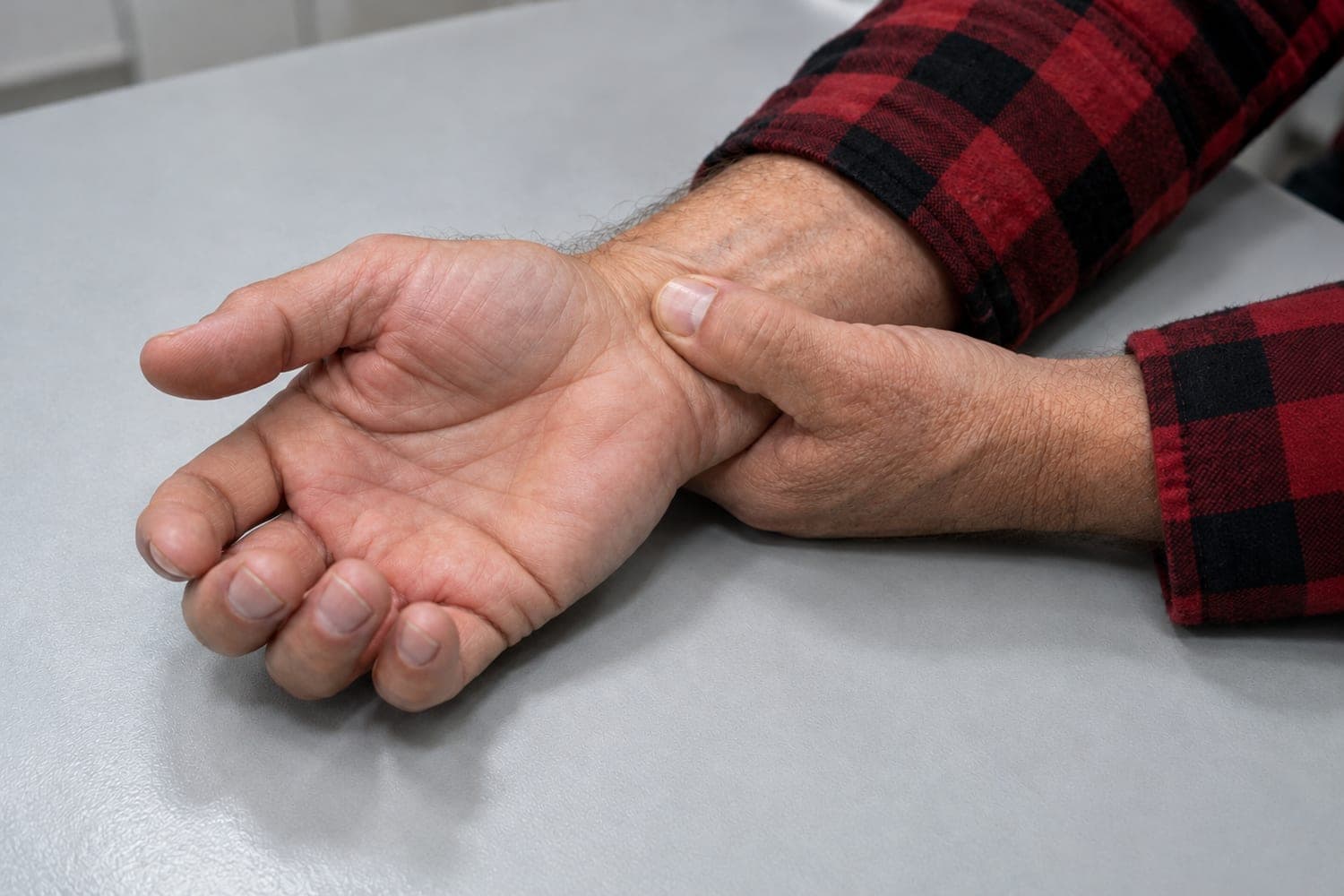
Night numbness and wrist discomfort are common reasons patients ask about carpal tunnel care.
What carpal tunnel syndrome means
Carpal tunnel syndrome happens when the median nerve is compressed as it travels through the wrist. This nerve helps provide sensation to the thumb, index finger, middle finger, and part of the ring finger. It also helps control some thumb muscles.
The carpal tunnel is formed by wrist bones on one side and a strong band of tissue, called the transverse carpal ligament, on the other. Because this space is limited, swelling or thickening around tendons can increase pressure on the nerve.
Short answer
Carpal tunnel syndrome is nerve compression at the wrist. Carpal tunnel release surgery aims to relieve that pressure by opening the tight ligament over the tunnel.
Carpal tunnel symptoms can start gradually. They may come and go at first, then become more frequent. Some people notice symptoms most at night or early in the morning. Others feel symptoms while gripping tools, holding a phone, driving, chopping food, or doing repetitive hand tasks.
Fairbanks life can include a wide mix of hand demands, from computer work to mechanical tasks to winter gear, snow shoveling, home projects, and outdoor recreation. Cold weather does not by itself diagnose carpal tunnel syndrome, but bulky gloves, vibration, gripping, and prolonged wrist positions can make hand symptoms more noticeable for some people.
Common symptoms that may point to carpal tunnel syndrome
Carpal tunnel syndrome does not feel the same for everyone. The pattern of symptoms matters, and so does the physical exam.
Numbness and tingling
Many patients report tingling or "pins and needles" in the thumb, index finger, middle finger, and part of the ring finger. The small finger is usually not the main area involved in classic carpal tunnel syndrome, because it is supplied by a different nerve.
Symptoms may wake a person from sleep. Some people shake out the hand to get relief.
Pain or aching in the hand and wrist
Pain may stay near the wrist or travel into the palm, fingers, or forearm. The discomfort can be mild and occasional, or it can interfere with sleep and daily activity.
Weak grip or dropping objects
As nerve compression worsens, grip and pinch strength can change. Some patients notice trouble opening jars, buttoning clothing, holding small items, or carrying bags.
Thumb muscle changes
In more advanced cases, the muscles at the base of the thumb can weaken or shrink. This can affect pinch and fine motor tasks. Weakness is one reason not to ignore symptoms that are getting worse.
Symptoms that may not be carpal tunnel
Not every hand symptom comes from the carpal tunnel. Neck problems, arthritis, tendon irritation, circulation issues, and other nerve compression points can cause overlapping symptoms. A consultation helps sort out the source.
When symptoms deserve attention
Seek medical care if numbness persists, symptoms wake you often, weakness develops, or hand function is changing. Sudden severe weakness, major injury, or symptoms with signs of stroke need urgent evaluation.
What happens during diagnosis and consultation
A carpal tunnel consultation focuses on symptoms, hand function, medical history, and exam findings. The goal is to confirm whether the median nerve is being compressed and to decide whether nonsurgical care or surgery is appropriate.
At North Star Plastic Surgery, patients can meet with Dr. Erick Martell, who is double board-certified in General Surgery and Plastic & Reconstructive Surgery. The practice provides evaluation and hand surgery in Fairbanks, including consultations for concerns such as carpal tunnel syndrome.

A careful hand exam helps identify where symptoms may be coming from.
Medical history and symptom pattern
The surgeon may ask questions such as:
Which fingers feel numb or tingly
Whether symptoms happen at night
What activities bring symptoms on
Whether splints or other treatments have helped
Whether weakness or dropping objects has occurred
Whether there are medical conditions that may affect nerves or healing
The history can reveal whether symptoms fit classic median nerve compression or suggest another diagnosis.
Physical exam
The exam may include checking sensation, thumb strength, grip, wrist motion, and areas of tenderness. The surgeon may perform maneuvers that place the wrist in positions that can reproduce symptoms.
Testing when needed
Some patients may need nerve testing, often called nerve conduction studies or electromyography. These tests can help measure how the nerve is functioning and whether compression is mild, moderate, or severe. Testing can also help rule out other nerve problems.
Imaging is not always needed for typical carpal tunnel syndrome, but a surgeon may recommend it if symptoms, injury history, or exam findings suggest another issue.
Talking through treatment options
Not everyone with carpal tunnel symptoms needs surgery. Depending on the situation, options may include:
Nighttime wrist splinting
Activity changes
Anti-inflammatory strategies when appropriate
Hand therapy
Steroid injection in select cases
Carpal tunnel release surgery for persistent, progressive, or severe compression
If you are unsure what stage your symptoms are in, request a consultation or call (907) 415-1884. An in-person evaluation is the best way to match treatment to the cause and severity of symptoms.
How carpal tunnel release surgery works
Carpal tunnel release surgery is designed to reduce pressure on the median nerve. The surgeon divides the transverse carpal ligament, the firm band forming the roof of the tunnel. Once released, the tunnel has more space, which can reduce nerve compression.
Short answer
Carpal tunnel release does not remove the median nerve or tendons. It releases the tight ligament over the carpal tunnel so the nerve has more room.
Open carpal tunnel release
With an open approach, the surgeon makes an incision in the palm near the wrist and directly views the ligament before releasing it. This technique has been used for many years and allows direct access to the carpal tunnel.
A surgeon may discuss incision placement, scar care, and the expected course of tenderness in the palm during recovery.
Endoscopic carpal tunnel release
With an endoscopic approach, the surgeon uses a small camera and specialized instruments to release the ligament through a smaller incision or incisions. This option may be appropriate for some patients, depending on anatomy, symptoms, prior surgery, and surgeon judgment.
Choosing between open and endoscopic techniques
Both open and endoscopic approaches aim to decompress the median nerve. The best choice is individualized. Factors can include severity of nerve compression, hand anatomy, medical history, activity needs, and the surgeon's recommendation.
Open release
Endoscopic release
Uses a palm incision that allows direct visualization
Uses a small camera and specialized instruments
May be preferred in some complex cases
May be discussed for select patients
Recovery can include palm tenderness while tissues heal
Recovery can still include soreness, swelling, and activity limits
The right technique is a discussion, not a one-size-fits-all decision.

Surgical plans and bandage care vary based on the technique and the patient's needs.
What recovery can look like after carpal tunnel release
Recovery varies. Some people notice improvement in night tingling soon after surgery. Others improve slowly, especially if nerve compression was severe or long-standing before treatment. Nerves heal gradually, and the timeline can differ from person to person.
The first days
After surgery, the hand is typically bandaged. Patients are usually given instructions about elevation, finger motion, wound care, and activity limits. Keeping the fingers moving as directed can help reduce stiffness.
Pain is often managed with the plan provided by the surgical team. The hand may feel sore, swollen, or tight at first.
The first few weeks
Stitches, if used, are removed according to the surgeon's instructions. Many patients begin light daily activities as comfort and safety allow. Heavy gripping, forceful lifting, and pressure through the palm may be limited for a period of time.
People with desk duties, tool use, manual work, caregiving tasks, or outdoor responsibilities may need different return-to-activity plans. In Fairbanks, winter conditions can add practical recovery concerns, such as avoiding slips, keeping the incision protected, and managing gloves or mittens without irritating the surgical site.
Longer recovery
Grip strength and palm tenderness can take longer to improve than numbness. If the nerve was compressed for a long time, numbness or weakness may take months to improve and may not fully resolve in every case.
Hand therapy may be recommended for stiffness, scar sensitivity, swelling, or strength recovery. Follow-up visits allow the surgeon to check healing and adjust guidance.
Recovery reminder
A normal recovery is not identical for every patient. Age, overall health, symptom severity, work demands, smoking status, and how long the nerve has been compressed can all affect healing.
Risks, safety, and realistic expectations
Carpal tunnel release is a common hand surgery, but every procedure has risks. A responsible consultation includes a discussion of benefits, alternatives, and possible complications.
Potential risks may include:
Bleeding or infection
Scar tenderness or sensitivity
Stiffness or swelling
Persistent numbness, tingling, or pain
Weakness during recovery
Nerve, blood vessel, or tendon injury
Symptoms that recur or do not fully improve
Reaction to anesthesia or medications
Most patients choose surgery because symptoms are affecting life or nerve compression is concerning. Still, surgery cannot promise a specific result. The goal is decompression of the median nerve and improvement in symptoms where nerve compression is the cause.
What patients can do to support healing
Following the care plan matters. Helpful steps may include:
Keep the hand elevated as instructed early on
Move fingers as directed
Protect the incision from dirt, friction, and soaking until cleared
Avoid heavy gripping or lifting until the surgeon says it is safe
Attend follow-up visits
Report increasing pain, drainage, fever, worsening numbness, or other concerning changes
This article is for general education only and is not a diagnosis or personal medical advice. A qualified clinician should evaluate symptoms and recommend care based on the individual situation.
When to seek care for hand numbness or weakness
Do not wait for severe weakness before asking about carpal tunnel symptoms. Earlier evaluation may identify nonsurgical options, confirm the diagnosis, or help prevent ongoing nerve irritation.
Consider scheduling a consultation if:
Numbness or tingling happens often
Symptoms wake you from sleep
You shake your hand to relieve symptoms
Wrist splints are no longer helping
You drop objects or feel clumsy with small tasks
Thumb strength seems reduced
Symptoms affect work, driving, hobbies, or home tasks
Seek urgent care for sudden numbness or weakness on one side of the body, facial drooping, trouble speaking, major trauma, or rapidly worsening symptoms with severe pain.
For carpal tunnel release surgery Fairbanks Alaska patients can discuss evaluation and treatment options with North Star Plastic Surgery. Call (907) 415-1884 or book a consultation online.

Hand symptoms can affect daily tasks, including driving and winter routines.
Frequently asked questions
Is carpal tunnel release surgery painful?
Patients usually have soreness after surgery, especially near the incision and palm. Pain levels vary. The surgical team provides instructions for comfort, wound care, and activity limits.
How soon can I use my hand after surgery?
Many patients are encouraged to move their fingers early, but heavy gripping, lifting, and pressure through the palm are restricted for a period of time. The exact timeline depends on the technique used, healing, and the surgeon's instructions.
Will numbness go away right after carpal tunnel release?
Some people notice quick improvement, especially with night symptoms. Others improve slowly as the nerve recovers. Long-standing or severe nerve compression may take longer and may not fully resolve.
What is the difference between open and endoscopic carpal tunnel release?
Both procedures release the transverse carpal ligament to reduce pressure on the median nerve. Open surgery uses a palm incision for direct visualization. Endoscopic surgery uses a small camera and specialized instruments. A surgeon can explain which option may fit the situation.
Do I need a consultation before deciding on surgery?
Yes. A consultation helps confirm the diagnosis, review nonsurgical options, discuss risks, and decide whether surgery is appropriate.
Schedule a carpal tunnel consultation in Fairbanks
Carpal tunnel symptoms can start small, but numbness, pain, and weakness can interfere with sleep, work, and daily life. A clear diagnosis is the first step. From there, treatment may involve splinting, therapy, medication strategies, injections in select cases, or carpal tunnel release surgery when decompression is appropriate.
North Star Plastic Surgery provides hand surgery consultations in Fairbanks, Alaska. Dr. Erick Martell is double board-certified in General Surgery and Plastic & Reconstructive Surgery. To talk through symptoms and treatment options, call (907) 415-1884 or request a consultation with North Star Plastic Surgery.
This article is educational and is not medical advice. Whether a procedure is right for you is decided through an evaluation with the practice.
