
Lindsay SSep 104 min read
Facelift surgery, also called a face lift or rhytidectomy, is a surgical procedure intended to address visible signs of aging in the face and neck. For adults in Fairbanks and interior Alaska, learning what the procedure can and cannot address is an important first step before scheduling a consultation.
What does facelift surgery address?
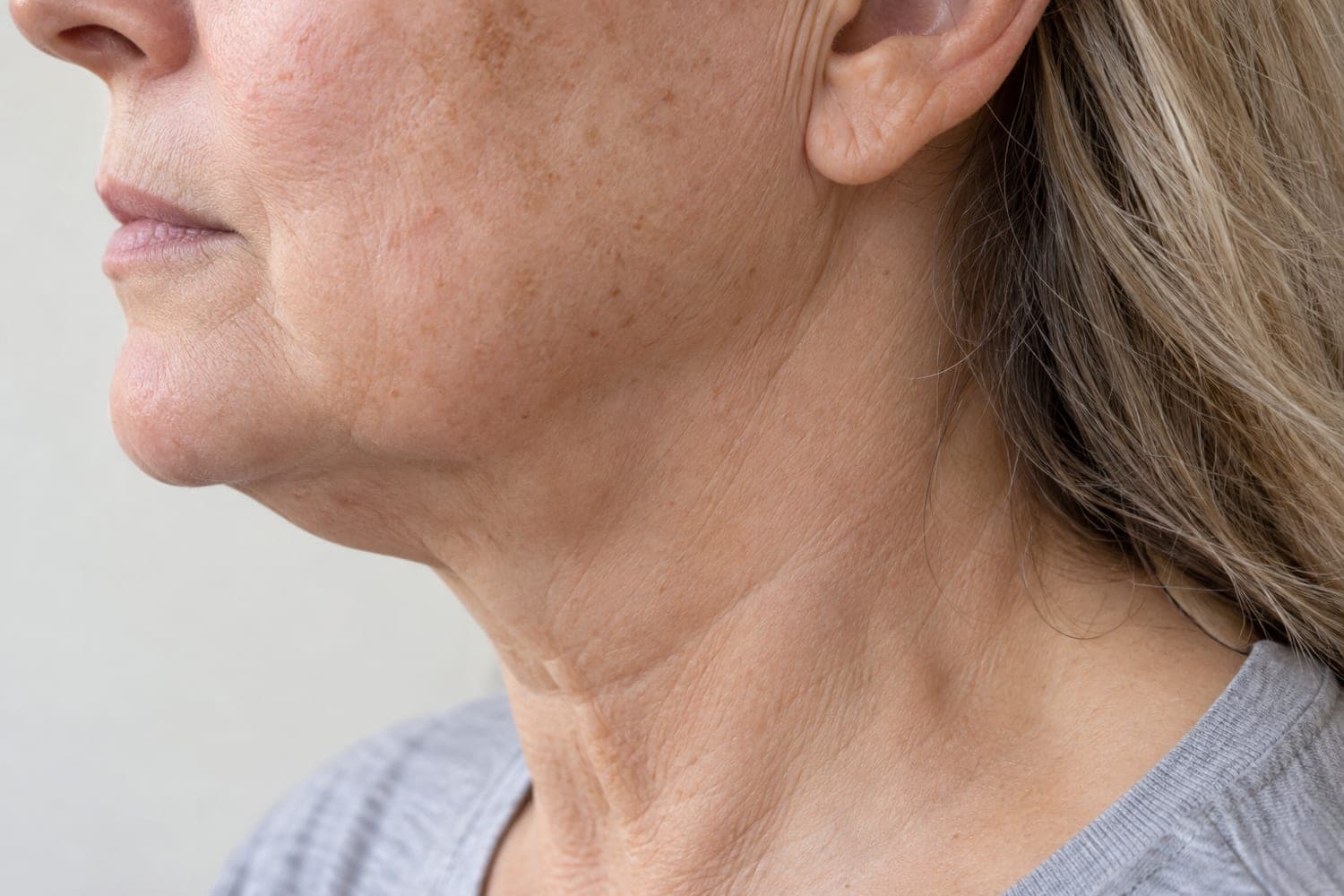
A face lift may address sagging skin, deeper wrinkles, and changes in facial contours or volume associated with aging. The procedure focuses on the face and neck. During surgery, incisions may be placed within the hairline or behind the ears, and the skin and underlying tissues may be lifted and tightened. Excess fat may be removed when appropriate, based on the patient's anatomy and surgical plan.
A face lift is not designed to address every facial concern. Skin texture, fine lines, sun damage, or changes around the eyes may call for a different discussion. North Star Plastic Surgery documents facial procedures including face lift, brow lift, eyelid surgery, and facial fillers. Dr. Erick Martell can explain which options may fit an individual's goals and anatomy, including whether combining procedures is appropriate.
Who may be a candidate?
A consultation is the best way to determine whether facelift surgery is appropriate. Adults who are concerned about sagging skin, deeper wrinkles, or age-related changes in the face or neck may want to discuss the procedure with a qualified plastic surgeon. Candidacy also depends on overall health, medical history, medications, smoking status, expectations, and the ability to follow preoperative and postoperative instructions.
There is no single age or appearance that makes someone a candidate. A responsible evaluation considers the patient as a whole and sets realistic goals. A surgeon may recommend delaying surgery, changing the plan, or considering another treatment when that is safer or more appropriate.
What happens during facelift surgery?
The details vary with the patient's anatomy and the extent of treatment. North Star Plastic Surgery describes incisions placed strategically within the hairline or behind the ears to help reduce the visibility of scars. The skin and underlying muscles of the face and neck may be lifted and tightened to improve sagging contours. Anesthesia may include local anesthesia with sedation or general anesthesia, depending on the procedure and the patient's needs.
Your consultation should cover the surgical approach, anesthesia plan, incision locations, expected scars, preparation, follow-up, and alternatives. Ask what will happen before, during, and after surgery, and share your full medical history and current medications.
Recovery and returning to normal activities
Recovery varies from patient to patient. The face may be wrapped in bandages or a compression garment after surgery to help reduce swelling and support the new contours. North Star Plastic Surgery notes that many patients return to work and normal activities within two to three weeks, but that is not a personal promise or a substitute for the surgeon's instructions. Healing, activity restrictions, and follow-up timing depend on the individual procedure and recovery.
Plan for follow-up care and arrange help during the early recovery period if your surgical team recommends it. Follow every instruction about wound care, medication, activity, and warning signs. Do not resume strenuous activity or work simply because a general timeline has passed. Confirm those decisions with your care team.
Safety considerations and potential risks
Facelift surgery is still surgery, and every patient should weigh potential benefits against possible risks. Depending on the procedure and the individual, risks may include bleeding, infection, anesthesia-related reactions, visible or changing scars, changes in sensation, asymmetry, delayed healing, or the need for additional treatment. The risks can differ based on health history, medications, smoking, and the surgical plan.
A consultation should include a clear discussion of these risks, how they are managed, and when to contact the surgical team. After surgery, seek prompt medical guidance for symptoms that concern you or that differ from the instructions you received. In an emergency, call 911 or seek emergency care.
Why consult in Fairbanks?
North Star Plastic Surgery provides facial procedures in Fairbanks, Alaska. The practice is led by Dr. Erick Martell, who is double board certified in General Surgery and Plastic and Reconstructive Surgery. His background also includes 21 years of U.S. Army service and surgical work during combat and humanitarian missions. Those credentials are part of the consultation context, not a guarantee of a specific result.
For adults considering facelift surgery in Fairbanks or the surrounding area, a local consultation can provide an opportunity to discuss goals, medical history, treatment options, recovery planning, and questions about follow-up care. North Star Plastic Surgery lists its office at 562 University Ave, Suite 101, Fairbanks, AK 99709. Call (907) 415-1884 or visit the consultation page to request an appointment.
Frequently asked questions
Is a facelift the same as a face lift or rhytidectomy?
Yes. Facelift, face lift, and rhytidectomy are names used for the same general surgical procedure. The exact approach varies by patient and surgical plan.
How long does facelift recovery take?
Recovery is individual. North Star Plastic Surgery states that many patients return to work and normal activities within two to three weeks, while also noting that recovery times vary. Your surgeon will provide personalized instructions.
Can a facelift be combined with another procedure?
It may be possible to combine a face lift with a brow lift, eyelid surgery, or facial fillers, depending on the patient's goals, health, anatomy, and safety considerations. This should be decided during a consultation.
Is this article medical advice?
No. This educational article is not a diagnosis or a personalized treatment recommendation. A consultation with a qualified medical professional is needed to determine whether facelift surgery is appropriate for you.
This article is educational and is not medical advice. Whether a procedure is right for you is decided through an evaluation with the practice.
