
Erick MartellSep 1235 min read
Loose skin on the lower abdomen can affect much more than appearance. It may rub against your thighs, trap sweat, trigger recurring infections, and make walking, exercising, dressing, or bathing uncomfortable. For people dealing with these concerns after major weight loss or pregnancy, panniculectomy may offer a practical surgical solution. The procedure removes the hanging pannus, but it does not replace weight management or automatically tighten abdominal muscles. Your anatomy, health history, weight stability, and long-term goals all matter when choosing treatment. This guide explains the benefits, risks, preparation, recovery, alternatives, and insurance questions to discuss with a qualified plastic surgeon.
Key Takeaways
Panniculectomy removes a lower-abdominal pannus
: The procedure can reduce excess skin and fatty tissue that contribute to chafing, rashes, hygiene concerns, clothing discomfort, and limited movement.
A personalized evaluation determines the right procedure
: Stable weight, overall health, medical history, symptoms, and goals help your surgeon assess whether panniculectomy, a tummy tuck, liposuction, or staged treatment is most appropriate.
Plan carefully for surgery and recovery
: Address nicotine use, nutrition, medications, insurance requirements, future pregnancy plans, transportation, time away from work, and at-home support before scheduling treatment.
What Is a Panniculectomy?
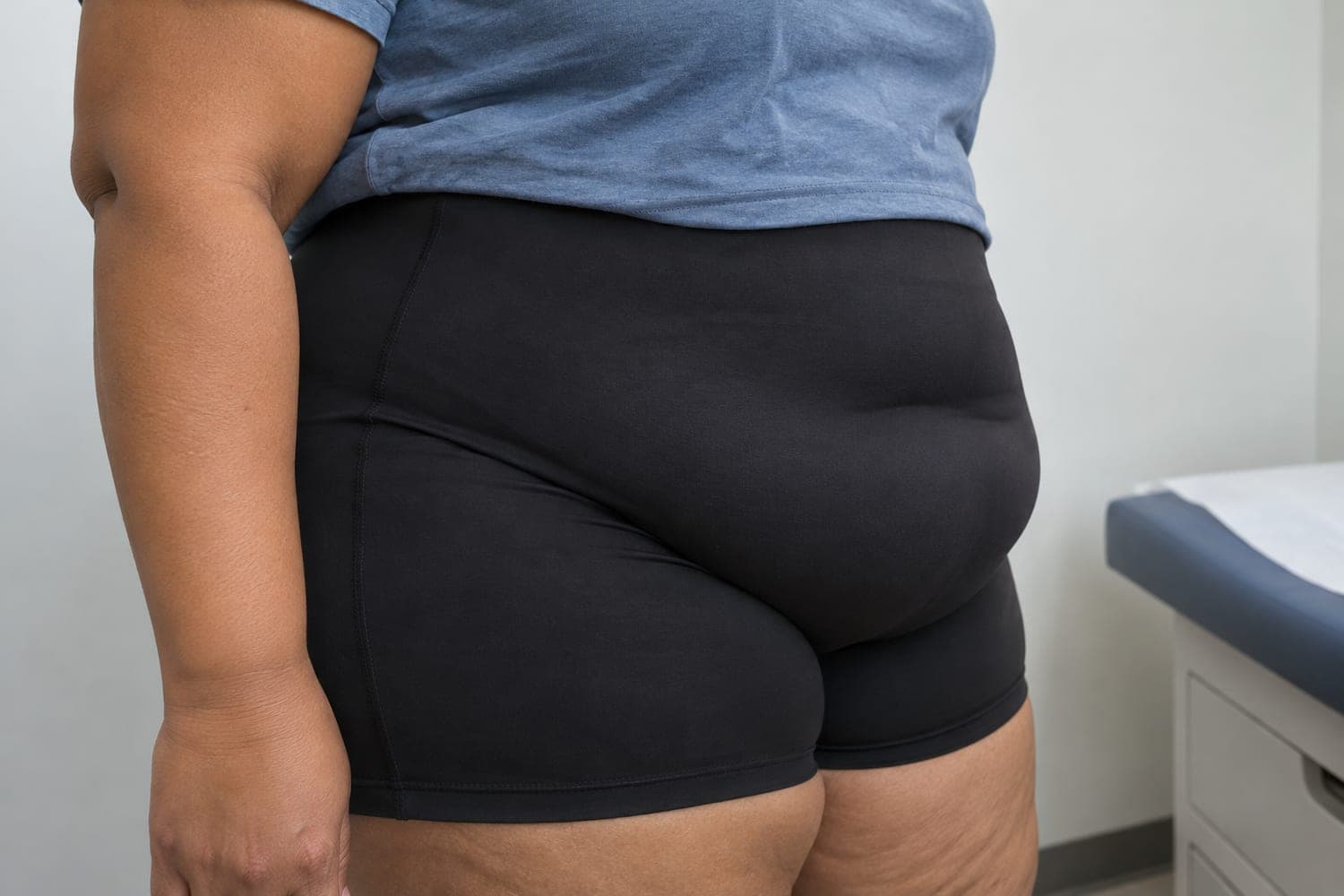
A panniculectomy is a body-contouring surgery that removes an overhanging fold of skin and fatty tissue from the lower abdomen. This fold is called a pannus or abdominal apron. It can develop after significant weight loss, bariatric surgery, pregnancy, or other major changes in body size.
For some people, a pannus causes more than a cosmetic concern. The fold may rub against the thighs, trap moisture, cause recurring rashes, or make hygiene, movement, and clothing uncomfortable. A panniculectomy can address the excess tissue responsible for these problems, but it is not a weight-loss procedure.
At North Star Plastic Surgery, Dr. Erick Martell reviews your health history, abdominal anatomy, and goals before recommending treatment. A consultation can help determine whether panniculectomy is appropriate or whether another body-contouring procedure may better address your concerns.
Remove a lower-abdominal pannus
The primary purpose of a panniculectomy is to remove excess lower-abdominal skin that hangs over the pubic region or upper thighs. The fold may be relatively small, or it may extend across much of the lower abdomen and interfere with daily activities.
During surgery, the surgeon generally makes a horizontal incision across the lower abdomen and removes the excess skin and attached fatty tissue. The incision length and placement depend on the amount of tissue being removed, your body shape, and your surgical plan.
The UPMC overview of panniculectomy explains that the operation is intended to relieve symptoms related to an overhanging pannus. Your surgeon can discuss scar placement, wound care, and expected healing during your consultation.
Remove excess skin and fat
A panniculectomy removes hanging skin and some of the fatty tissue connected to it. Removing this tissue can reduce the bulk and weight of the abdominal apron while creating a smoother lower-abdominal contour.
The procedure does not remove all abdominal fat, and the amount of tissue removed depends on your anatomy, skin quality, medical history, and overall surgical plan. It also does not replace nutrition, exercise, or medical care for weight management.
In some cases, your surgeon may discuss liposuction or another body-contouring procedure. These treatments address different concerns, so combining procedures requires careful planning. The Cleveland Clinic’s guide to panniculectomy explains what the procedure removes and what patients can expect from treatment.
Compare panniculectomy and tummy tuck
Panniculectomy and tummy tuck surgery, also called abdominoplasty, both remove excess abdominal tissue, but they have different goals. A panniculectomy primarily removes the lower-abdominal pannus, particularly when it causes skin irritation, hygiene problems, or difficulty moving.
A tummy tuck generally focuses on improving the overall shape and firmness of the abdomen. Depending on the patient’s anatomy, it may include removal of excess skin, tightening of separated abdominal muscles, repositioning of the belly button, and reshaping across a larger area.
Some patients may benefit from a panniculectomy alone, while others may need a tummy tuck or a combined approach. The American Society of Plastic Surgeons’ tummy tuck overview explains how abdominoplasty differs from procedures that only remove hanging skin. An examination is necessary to identify the safest and most suitable option.
Know what panniculectomy can and cannot change
A panniculectomy can remove a lower-abdominal skin fold and may reduce chafing, moisture buildup, recurring rashes, and difficulty keeping the area clean. Some patients also find that movement, clothing, and certain daily activities become more comfortable after recovery.
The procedure does not cause weight loss, remove all abdominal fat, or guarantee a completely flat stomach. It may not correct muscle separation, stretch marks, hernias, or loose skin in other areas unless those concerns are treated separately.
Panniculectomy also cannot prevent future changes caused by weight fluctuations, pregnancy, or aging. The MedlinePlus information on panniculectomy emphasizes that this surgery is often considered after substantial weight loss, rather than as a method for losing weight. Clear expectations can help you decide whether the procedure matches your goals.
Consider panniculectomy after weight loss, bariatric surgery, or pregnancy
Many people consider panniculectomy after losing a significant amount of weight. When the skin has been stretched for a long time, it may not tighten on its own, even after weight loss is complete. Similar changes can occur after bariatric surgery or pregnancy.
Reaching a stable weight before surgery is generally important. Losing additional weight afterward can change your results, while a future pregnancy may stretch the abdominal skin again. Your surgeon may also recommend waiting after bariatric surgery to confirm that your weight and nutrition have stabilized.
Adequate protein, vitamins, and other nutrients support healing, so nutritional concerns should be addressed before an operation. During a body-contouring consultation at North Star Plastic Surgery, you can discuss your weight-loss history, pregnancy plans, abdominal symptoms, and the procedure that best fits your needs.
Who Qualifies for Panniculectomy?
Panniculectomy may be an option for adults with a significant amount of loose skin hanging from the lower abdomen. This excess tissue, often called a pannus or abdominal apron, can develop after major weight loss, bariatric surgery, or pregnancy. The procedure removes excess skin and fatty tissue from the lower abdomen. It is not designed to treat obesity or replace healthy weight management.
Candidacy depends on more than the amount of skin present. Your symptoms, medical history, weight stability, lifestyle, and expectations all play a role. During a consultation, Dr. Erick Martell can examine your abdomen, discuss your concerns, and recommend the procedure that best fits your needs. North Star Plastic Surgery’s body procedures include panniculectomy and other options for patients dealing with changes after weight loss or pregnancy.
Address excess skin, rashes, infections, and hygiene problems
Loose abdominal skin can rub against itself, trapping moisture and heat within the fold. This may lead to chafing, persistent rashes, fungal infections, unpleasant odors, or difficulty keeping the area clean and dry. The weight of the pannus may also make walking, exercising, dressing, or completing everyday activities uncomfortable.
Panniculectomy may be worth discussing when these problems continue despite careful hygiene, breathable clothing, weight management, or treatment recommended by a healthcare professional. The UPMC overview of panniculectomy describes how excess skin can contribute to irritation, infections, and physical discomfort.
Maintain a stable weight and realistic goals
Panniculectomy is generally best considered after you reach a weight you can maintain. Major weight changes after surgery may create additional loose skin or alter your results, so your surgeon may recommend waiting until your weight has remained stable for several months. If you are still actively losing weight, continuing that process may be the more appropriate first step.
It is also important to understand what the procedure can and cannot change. Panniculectomy removes hanging skin and some underlying fat, but it is not a weight-loss treatment. It may not repair separated abdominal muscles or address every area of your abdomen. StatPearls’ clinical review identifies stable weight and realistic expectations as important parts of the evaluation.
Manage health conditions
Your general health can affect surgical safety, anesthesia, and wound healing. Conditions such as diabetes, high blood pressure, heart disease, lung disease, or immune system disorders should be reviewed and appropriately managed before surgery. Share your complete medical history with your surgeon, including previous operations, allergies, medications, supplements, and any past problems with healing.
Your surgical team may request medical clearance, laboratory testing, or other evaluations before scheduling your procedure. In some cases, surgery may need to be delayed until a health condition is under control. This preparation helps identify potential concerns early and allows your surgeon to create a treatment plan that is appropriate for your health.
Assess smoking, nutrition, activity, and future pregnancy plans
Smoking and nicotine use can reduce blood flow to healing tissues and increase the risk of wound complications. Your surgeon may ask you to stop smoking and avoid nicotine products before and after surgery. Nutrition matters as well. Eating a balanced diet with enough protein and essential nutrients supports healing, while extreme dieting may make recovery more difficult.
You should also discuss your activity level and future plans. Gentle walking is typically encouraged after surgery, but heavy lifting and strenuous exercise will be restricted during the early recovery period. If you plan to become pregnant or expect significant weight changes, mention this during your consultation. Pregnancy can stretch the abdominal skin again and affect your results.
Decide when weight loss or another procedure should come first
Panniculectomy is not always the first step. If you are still losing weight, your surgeon may recommend reaching a stable weight before removing excess skin. Waiting can help create a more predictable contour and reduce the likelihood of developing additional loose skin after surgery. The UPMC patient guidance recommends maintaining a stable weight for several months before the procedure is considered.
You may also benefit from a different or combined procedure. A tummy tuck can remove loose skin and may include abdominal muscle repair, while liposuction targets localized fat rather than hanging skin. These procedures are not interchangeable, and combining them is not appropriate for every patient. A personalized consultation at North Star Plastic Surgery can help clarify your options, timing, and expected results.
Panniculectomy Benefits and Results
A panniculectomy can improve comfort, hygiene, movement, and the appearance of the lower abdomen for people with a significant amount of loose skin and tissue. This tissue, often called a pannus, may remain after major weight loss, bariatric surgery, or pregnancy. It can hang over the pubic area or upper thighs and create daily challenges that do not resolve through diet or exercise alone.
The procedure focuses on removing the pannus. It does not address every concern related to abdominal shape, muscle separation, or overall weight. Your results depend on factors such as your anatomy, skin quality, weight stability, health, and healing. During a consultation at North Star Plastic Surgery, Dr. Erick Martell can evaluate your concerns and explain which changes panniculectomy may reasonably provide.
Relieve chafing, rashes, and skin irritation
A lower-abdominal skin fold can rub against itself, clothing, or the upper thighs. Moisture may collect beneath the fold, which can lead to redness, chafing, rashes, sores, or recurring infections. Symptoms may become more noticeable during warm weather, exercise, or extended periods of walking.
By removing excess skin and fatty tissue, panniculectomy may reduce the size of the fold and make the area easier to keep clean and dry. MedlinePlus explains that removing excess tissue may help reduce rashes, sores, infections, and hygiene problems. Surgery cannot guarantee that every skin condition will resolve. Your surgeon will consider other contributing factors, including diabetes, skin sensitivity, moisture, and existing infections.
Improve hygiene, movement, clothing, and daily activities
Excess lower-abdominal tissue can make bathing, drying, and caring for the skin more difficult. Some people also find that the pannus interferes with walking, bending, exercising, or completing everyday tasks. Clothing may fit poorly or press against sensitive areas, adding to discomfort and frustration.
Removing the pannus may make personal hygiene, dressing, and movement easier. UF Health Plastic Surgery notes that excess tissue may contribute to poor hygiene, skin breakdown, repeated infections, lower back discomfort, and difficulty moving. A panniculectomy may help when these problems are directly related to the overhanging tissue, but it will not treat every cause of back pain or limited mobility.
Improve lower-abdominal contour
Panniculectomy can create a smoother lower-abdominal outline by removing hanging skin and fatty tissue. This may help clothing fit more comfortably and make the lower abdomen appear more proportionate to the rest of the body. The amount of change depends on how much tissue is present, your skin elasticity, existing scars, and your overall body shape.
The procedure does not necessarily create a flat or firm abdomen. It also does not remove all abdominal fat or automatically repair separated muscles. The American Society of Plastic Surgeons describes panniculectomy as an operation that removes hanging skin and fat from the lower abdomen to improve its contour. Ask which concerns the procedure can address and whether a tummy tuck or another body-contouring procedure may better fit your goals.
Consider body image, confidence, and quality of life
Physical comfort is only one part of the decision. After significant weight loss, pregnancy, or bariatric surgery, some patients feel frustrated when loose skin remains despite consistent healthy habits. Panniculectomy may help clothing fit differently, make movement more comfortable, and reduce self-consciousness about the lower abdomen.
These changes may support confidence and quality of life, but surgery cannot guarantee a specific emotional outcome. Set personal goals that focus on comfort, function, and realistic appearance changes rather than perfection. MedlinePlus discusses possible improvements in comfort, hygiene, mobility, and appearance, while also noting that panniculectomy is major surgery with a substantial healing period.
Maintain realistic, long-term expectations
Panniculectomy is a body-contouring procedure, not a weight-loss treatment. Patients generally have more predictable results when they reach a stable weight before surgery and continue healthy eating and regular activity afterward. Significant weight changes can stretch the remaining skin, alter the abdominal contour, or affect the long-term appearance of the surgical area.
Pregnancy may also change the abdomen, so discuss future pregnancy plans before scheduling surgery. StatPearls explains that patients should ideally reach their desired body weight before panniculectomy and understand that surgery does not replace weight management, nutrition, or exercise. A consultation with North Star Plastic Surgery gives you an opportunity to review your health history, examine the excess skin, and develop a plan based on your anatomy and long-term goals.
Panniculectomy Risks and Complications
A panniculectomy removes excess skin and fat from the lower abdomen, but it remains a major surgical procedure. Your risks may depend on your overall health, weight stability, smoking status, medications, previous abdominal surgeries, and the amount of tissue removed. Your surgeon will review these factors during your consultation and explain how they may affect your treatment plan.
Knowing what to expect can help you prepare and recognize problems early. North Star Plastic Surgery offers personalized consultations in Fairbanks, where you can discuss your goals, medical history, and whether panniculectomy is appropriate for you.
Expect swelling, bruising, soreness, tightness, and numbness
Swelling, bruising, soreness, and abdominal tightness are common during the early recovery period. You may also experience numbness near the incision or across the lower abdomen because surgery can affect small skin nerves. Sensation often changes gradually as the nerves recover, although some numbness may last longer or remain permanent.
Your surgeon may recommend pain medication, compression garments, gentle walking, and a specific sleeping position. Follow these instructions carefully, even if you begin to feel better. Doing too much too soon can place stress on healing tissue and increase discomfort. The Cleveland Clinic’s panniculectomy guide describes discomfort, swelling, and drainage as possible parts of early recovery.
Watch for bleeding, hematoma, seroma, and infection
Bleeding can occur after surgery. A hematoma is a collection of blood beneath the skin, while a seroma is a pocket of clear fluid. These complications may cause increased swelling, pressure, firmness, pain, or drainage. Some fluid collections improve with observation, while others require drainage or additional treatment.
Infection may cause worsening redness, warmth, pain, fever, pus-like drainage, or an unpleasant odor from the incision. Contact your surgeon if these symptoms develop. Do not apply creams or other products to the incision unless your care team recommends them, and take antibiotics only as prescribed. StatPearls’ panniculectomy review includes bleeding, hematoma, infection, and fluid buildup among the procedure’s potential complications.
Recognize wound separation, skin loss, and delayed healing
A surgical incision may heal slowly or open in one or more areas. This problem, called wound dehiscence, can require additional dressings, wound care, or a longer recovery. In more serious cases, reduced blood flow can damage or cause loss of skin near the incision.
Protect the area by avoiding lifting, stretching, and strenuous activity until your surgeon clears you. Keep the incision clean and dry according to your instructions, and report drainage or an opening promptly. Nicotine use, diabetes, infection, poor circulation, and excessive tension on the wound can interfere with healing. Your surgeon may recommend addressing these concerns before surgery, as explained in the StatPearls clinical overview.
Address scarring, asymmetry, contour changes, and revision surgery
A panniculectomy leaves a permanent horizontal scar across the lower abdomen. Your surgeon will place it as discreetly as possible, but its final position depends on your anatomy, the amount of skin removed, and your surgical plan. Scars may appear raised, widened, darker, or lighter than the surrounding skin before gradually becoming flatter and less noticeable.
The Cleveland Clinic notes that scars may continue to fade for 12 to 18 months. Temporary unevenness is also common while swelling resolves. Even after healing, perfect symmetry is not guaranteed. If bothersome scarring or contour irregularities remain, revision surgery may be an option. It involves additional costs, recovery time, and surgical risk, so discuss realistic results before your procedure.
Understand blood clots, anesthesia complications, and other serious risks
Panniculectomy also carries uncommon but serious risks, including blood clots in the legs, pulmonary embolism, heart complications, breathing problems, and reactions to anesthesia. Your surgical team may use compression devices, encourage early walking, or prescribe medication to reduce the chance of clot formation.
Tell your surgeon and anesthesia team about heart or lung conditions, sleep apnea, previous blood clots, allergies, and all medications and supplements you take. Follow instructions about eating, drinking, and medication changes before surgery. The Cleveland Clinic’s patient information explains why pulmonary embolism, heart problems, and anesthesia complications require careful consideration.
Identify health and lifestyle factors that raise complication risks
Some health conditions and lifestyle factors can make surgery less safe or slow your recovery. Smoking and other nicotine use reduce blood flow to healing tissue and increase the risk of wound problems. Uncontrolled diabetes, heart or lung disease, high blood pressure, blood-clotting disorders, and poor nutrition may also affect your results.
Previous abdominal surgery, significant scar tissue, and a higher body mass index can influence the surgical approach. Be open about your health history and habits during your consultation. Your surgeon may recommend stopping nicotine, managing blood sugar, improving nutrition, or reaching a stable weight before surgery. If you expect another pregnancy or significant weight change, discuss the timing. North Star Plastic Surgery’s body procedures can be reviewed as part of an individualized treatment plan.
Recognize warning signs that need prompt medical care
Contact your surgeon promptly if you notice worsening pain, rapidly increasing swelling, heavy bleeding, fever, spreading redness, foul-smelling drainage, or a newly opened incision. One-sided leg swelling, warmth, or pain may also signal a blood clot and requires prompt medical evaluation.
Seek emergency care for sudden shortness of breath, chest pain, fainting, coughing blood, confusion, or unusual heartbeats. Before surgery, save your surgeon’s after-hours contact information and ask which symptoms require a phone call and which require emergency care. Prompt treatment can help prevent a minor concern from becoming more serious.
Does Insurance Cover Panniculectomy?
Insurance may cover a panniculectomy when excess lower-abdominal skin causes documented medical problems, but approval is not automatic. Many health plans classify the procedure as cosmetic unless medical records show that the abdominal pannus interferes with daily activities, causes recurring skin conditions, or creates hygiene and mobility problems. Coverage requirements vary by insurer, employer plan, state, and policy.
Before scheduling surgery, review your benefits and ask whether your plan covers panniculectomy for medical reasons. You can also discuss your symptoms and goals with the team at North Star Plastic Surgery in Fairbanks. A consultation may help determine whether your needs align with a medically necessary panniculectomy, a cosmetic tummy tuck, or another body-contouring procedure. Your insurer makes the final coverage decision, so ask for its requirements in writing.
Distinguish medical necessity from cosmetic goals
A panniculectomy removes overhanging skin and fatty tissue from the lower abdomen. Insurance generally considers coverage when this tissue causes medical or functional problems, not when the main goal is a flatter or more sculpted abdomen. MedlinePlus explains the difference between panniculectomy and abdominoplasty, commonly called a tummy tuck. A tummy tuck may include cosmetic reshaping and tightening of the abdominal muscles, which a basic panniculectomy does not necessarily involve.
When requesting authorization, focus on documented health concerns. Repeated rashes, infections, pain, skin breakdown, hygiene difficulties, and impaired movement may support medical necessity. Cosmetic concerns can still be discussed during your consultation, but they may not qualify for insurance payment. Your surgeon can explain which procedure best matches your anatomy, symptoms, and desired outcome.
Identify symptoms and functional problems insurers may recognize
Insurers often look for symptoms that affect your health or daily activities. These may include persistent irritation beneath the abdominal fold, recurrent infections, ulceration, pain, difficulty cleaning or drying the area, trouble walking, and limitations with dressing or exercise. Excess tissue that interferes with work, personal care, or routine movement may also be relevant, depending on your policy.
Describe your symptoms in specific, practical terms. Record how often they occur, how long they last, what treatment you use, and which activities become difficult. For example, explain whether you need help with hygiene, avoid certain clothing, or cannot walk or exercise comfortably. StatPearls reviews common panniculectomy indications and highlights the importance of functional concerns and supporting medical records. Your surgeon can use this information when preparing an authorization request.
Review weight-loss history, stable weight, and BMI requirements
Many insurance plans expect patients to reach a stable weight before panniculectomy. Stable weight helps show that the excess skin is unlikely to change substantially with additional weight loss. Some policies require a stable weight for a specific period, often six months or longer. Others include BMI limits or additional criteria related to weight loss.
Requirements differ between plans, so do not rely on general guidelines alone. Gather records showing your weight over time, including documentation after bariatric surgery if applicable. Your surgeon may review your current BMI, weight-loss history, nutrition, and long-term goals during the consultation. StatPearls provides clinical information about patient selection, but your insurance policy determines whether you meet its specific requirements.
If you expect to lose more weight, ask whether waiting would improve your safety, results, or chance of approval. Your surgeon can help you decide when your weight and health are ready for body-contouring surgery.
Document rashes, infections, pain, hygiene, and mobility problems
Keep a record of medical issues beneath the pannus. Write down when symptoms begin, how long they last, what triggers them, and whether they return after treatment. Ask your primary care clinician or dermatologist to document findings such as intertrigo, fungal infections, open sores, ulceration, pain, skin breakdown, or bleeding during an examination.
Photographs may support your records, but they do not replace clinical notes. Tell your healthcare provider if the pannus makes it difficult to bathe, dry your skin, get dressed, walk, exercise, or complete household tasks. Specific examples help connect the excess tissue with its effect on your health and routine.
Keep copies of appointment notes, prescriptions, treatment instructions, and photographs if your provider includes them in your chart. Consistent documentation from several visits may carry more weight than a single report of symptoms.
Complete conservative treatments and document persistent symptoms
Insurance companies may require proof that you tried nonsurgical treatment before approving panniculectomy. Depending on your symptoms, this may include prescribed creams, antifungal medication, barrier ointments, absorbent materials, improved hygiene, or other care recommended by your clinician.
Follow your treatment plan as directed and keep copies of prescriptions, visit notes, and receipts when appropriate. Ask your provider to document whether symptoms improved, returned, or continued despite treatment. Some plans require several months of persistent or recurring symptoms after conservative care, while others use different time frames.
Do not stop treatment once symptoms improve unless your clinician advises you to do so. Ask your insurer which treatments and time periods it requires. That information can help you and your healthcare providers prepare records that address the policy’s medical-necessity criteria.
Submit prior authorization, photographs, clinical notes, and surgeon documentation
Panniculectomy commonly requires prior authorization before surgery. The request may include your surgeon’s letter, examination findings, photographs, weight history, treatment records, and notes describing pain, infections, hygiene concerns, or movement limitations. Your surgeon’s office may submit the request, but confirm who is responsible for each document and deadline.
Ask for a copy of the authorization request and check that your personal information, weight history, diagnosis, and treatment records are accurate. The documentation should explain what problems the pannus causes, which treatments you tried, and why surgery is being recommended. The American Society of Plastic Surgeons provides an overview of panniculectomy, but your insurer may use its own forms and criteria.
Photographs should be taken according to the insurer’s instructions. Do not assume that an authorization guarantees payment. Confirm the approved procedure, billing codes, providers, facility, and authorization period before surgery.
Review covered services, exclusions, network rules, and out-of-pocket costs
An approved panniculectomy does not always mean every part of your care will be covered. Ask whether your plan covers the surgeon, anesthesia provider, surgical facility, pathology, postoperative visits, compression garments, and treatment of complications. If your plan has network restrictions, confirm that every provider involved is in network.
Also ask whether the policy excludes cosmetic contouring, muscle repair, liposuction, or procedures performed during the same operation. Find out how your deductible, copay, coinsurance, and out-of-pocket maximum apply. Ask whether separate services require separate authorization.
Request benefit information in writing when possible. A representative’s estimate can be helpful, but it is not a guarantee of payment. The final amount may depend on coding, claim processing, network status, and the terms of your policy.
Appeal denied claims and understand review timelines
A denial does not always end the process. Read the denial letter carefully to identify the reason, appeal deadline, and submission instructions. The insurer may request additional clinical notes, clearer photographs, proof of conservative treatment, or more detail about how symptoms limit daily activities.
Ask your surgeon’s authorization or billing team whether it assists with appeals. Your primary care clinician or dermatologist may also provide a supporting letter or updated records. A useful appeal should respond directly to the insurer’s stated reason for denial and include evidence that addresses its criteria.
Review timelines vary by plan and by the type of appeal. Follow the insurer’s instructions closely, and keep copies of every form, letter, photograph, and medical record. Record the dates of phone calls, the names of representatives, and any reference numbers. If you remain unsure about your rights, contact your state insurance department or ask your plan how to request an external review.
Ask your insurer and surgeon’s billing office key questions
Prepare a written list of questions before your consultation and insurance call. Ask your insurer:
Is panniculectomy covered under my specific plan?
What medical-necessity criteria must I meet?
Is prior authorization required?
How long must my weight remain stable?
Are there BMI, treatment, or documentation requirements?
Which surgeons, facilities, and anesthesia providers are in network?
What costs could remain my responsibility?
What is the appeal process and deadline if the request is denied?
Ask the surgeon’s billing office whether it handles authorization, which records you need to provide, and which services may be billed separately. You can also ask how the practice distinguishes a panniculectomy from a tummy tuck and whether combining procedures could affect coverage.
The team at North Star Plastic Surgery can discuss your symptoms, surgical options, and body-contouring plan during a Fairbanks consultation. Your insurer must confirm your actual benefits and coverage terms.
Prepare for Panniculectomy
Preparing for a panniculectomy involves more than choosing a surgery date. Your health, medical history, goals, and home setup can all affect the procedure and your recovery. Use the time before surgery to share complete information with your plastic surgeon and ask questions about anything that concerns you, including scars, pain, activity restrictions, drains, and expected results.
A panniculectomy removes excess skin and tissue from the lower abdomen. It is not a weight-loss procedure, and it may not address every concern involving the abdominal wall. During your consultation, your surgeon will help you understand what the operation can change, what it cannot change, and whether another procedure may better match your goals.
You may need medical clearance, testing, insurance documentation, and lifestyle changes before surgery. Planning early can also make recovery more comfortable. Arrange transportation, time away from work, and help with daily tasks before your operation rather than waiting until the last minute.
Discuss goals, examine your abdomen, and plan surgery
Begin by describing the problems caused by excess abdominal skin. These may include chafing, rashes, repeated skin infections, difficulty keeping the area clean, or trouble finding comfortable clothing. Tell your surgeon if the pannus affects walking, exercise, intimacy, or other daily activities. Specific examples help clarify whether your goals are primarily functional, cosmetic, or both.
Your surgeon will examine the amount and location of excess skin, the condition of the skin fold, existing scars, abdominal tone, and possible concerns such as a hernia. You will discuss incision placement, expected scarring, the tissue to be removed, drains, and your recovery plan. StatPearls reviews the evaluation and common considerations for panniculectomy.
Evaluate board certification and body-contouring experience in Fairbanks
Choosing a qualified surgeon is an important part of preparing for body-contouring surgery. Look for appropriate board certification, access to an accredited surgical facility, and experience treating patients after major weight loss, bariatric surgery, or pregnancy.
Ask how often the surgeon performs panniculectomy and similar procedures. You can also ask where surgery will take place, how follow-up care works, and how complications are managed. Before-and-after photographs of comparable cases may help you understand possible results, although scars and outcomes vary from patient to patient. The American Society of Plastic Surgeons explains panniculectomy goals and considerations.
For patients in Fairbanks and nearby communities, convenient follow-up care may also matter. Your surgeon should explain the plan clearly, discuss alternatives, and give you time to make an informed decision.
Consult Dr. Erick Martell at North Star Plastic Surgery
A consultation with Dr. Erick Martell at North Star Plastic Surgery gives you time to discuss your concerns and learn whether panniculectomy suits your needs. Dr. Martell is double board-certified in General Surgery and Plastic and Reconstructive Surgery. His experience includes facial, breast, and body-contouring procedures, as well as 21 years of U.S. Army service and surgical work during combat and humanitarian missions.
During your appointment, discuss your medical history, weight-loss journey, symptoms, and desired outcome. Dr. Martell can explain the expected scar, recovery timeline, risks, and whether muscle repair, liposuction, or another procedure may be appropriate. You can schedule a consultation with North Star Plastic Surgery to begin the conversation.
Review medications, supplements, allergies, and prior surgeries
Bring a complete list of every medication and supplement you use. Include prescriptions, over-the-counter pain relievers, vitamins, herbal products, and injections. Tell your surgeon about medication allergies, anesthesia reactions, bleeding or clotting problems, and chronic conditions.
Your previous operations also matter. Abdominal, pelvic, bariatric, and cesarean surgeries can leave scars or affect the tissue beneath the skin. Share details about past complications, infections, or delayed wound healing. Your surgical team may ask you to change or pause certain medications, but do not stop a prescription without instructions from the prescribing clinician.
MedlinePlus recommends discussing medications, allergies, and medical history before panniculectomy. Complete information helps your care team plan your treatment more safely.
Complete medical clearance, testing, photographs, and informed consent
Depending on your health and the facility’s requirements, you may need a physical examination, blood tests, an electrocardiogram, or other medical clearance. Additional evaluation may be necessary if you have diabetes, high blood pressure, sleep apnea, anemia, or a history of blood clots.
Your practice may take private photographs for your medical record and, when relevant, insurance documentation. Before signing consent forms, confirm that you understand the surgical plan, anesthesia, incision, drains, recovery, possible complications, and alternatives. Ask what happens if the surgical plan needs to change or if you require additional care afterward.
When panniculectomy is being considered for medical reasons, insurance approval or prior authorization may be required. Keep copies of medical records, photographs, treatment notes, and insurer communications in case your insurance company requests more information.
Stop smoking, improve nutrition, and manage your weight
Nicotine can reduce blood flow and interfere with wound healing. This includes cigarettes, vaping products, nicotine pouches, and other nicotine sources. Ask your surgeon how long you need to be nicotine-free before and after surgery, and whether the practice requires testing.
Aim for a stable weight before the operation instead of viewing panniculectomy as a weight-loss treatment. Significant weight changes after surgery can alter your results and may create additional loose skin. Regular, balanced meals with enough protein can support recovery. If you previously had bariatric surgery, your care team may recommend checking for nutritional deficiencies. Cleveland Clinic discusses weight stability and smoking concerns for panniculectomy patients.
Follow your surgeon’s guidance for exercise and management of existing health conditions. Improving blood sugar control, nutrition, and general fitness may help you recover more comfortably.
Arrange transportation, caregiving, time off work, and home support
Arrange for an adult to drive you home after surgery and stay with you as recommended by your care team. During the first several days, you may need help with meals, medications, bathing, dressing, child care, pet care, and household tasks. Standing upright, bending, and getting in and out of bed may feel uncomfortable at first.
Set up a comfortable recovery area before surgery. Place water, medications, chargers, meals, and other frequently used items within easy reach. Supportive pillows, loose clothing, and a clear path to the bathroom can make movement easier.
Ask when you can return to work, drive, lift, and exercise. Your timeline will depend on the extent of surgery, your job, your healing progress, and whether additional procedures were performed. MedlinePlus provides general panniculectomy preparation and recovery guidance, but your surgeon’s instructions should guide your individual care.
Prepare emotionally and seek body-image support
It is common to feel excited, uncertain, or concerned before body-contouring surgery. Think about why you want the procedure and what result would feel meaningful to you. Panniculectomy may improve comfort and the appearance of excess skin, but it will leave a scar and may not create a completely flat or symmetrical abdomen.
Discuss your expectations honestly with your surgeon, including concerns about clothing, intimacy, activity, and changes during recovery. Choose a trusted support person who can help without pressuring you. It may also help to plan how you will handle temporary swelling, numbness, tightness, and limited mobility.
If body-image distress, anxiety, depression, or a history of disordered eating affects your decision, consider speaking with a qualified mental health professional before surgery. Emotional support can help you make a well-informed choice and adjust to the physical changes that occur during healing.
What Happens During Panniculectomy?
A panniculectomy removes the hanging fold of excess skin and fat from the lower abdomen, often called a pannus or abdominal apron. The operation focuses on removing this tissue, rather than reshaping the entire abdomen. Your surgeon will consider your goals, medical history, skin quality, weight stability, and any discomfort or hygiene problems caused by the pannus.
The surgical plan is different for every patient. Some people need pannus removal alone, while others may benefit from a tummy tuck or another body-contouring procedure. During a panniculectomy consultation at North Star Plastic Surgery, Dr. Erick Martell can examine your abdomen and explain which approach best fits your anatomy and goals.
Understand anesthesia, the surgical facility, and procedure-day expectations
Panniculectomy is typically performed under general anesthesia, which means you will be asleep during the operation. Surgery often takes about 1.5 to 3.5 hours, although the time can vary based on the amount of tissue removed and whether your procedure includes additional surgical work.
Before surgery, your care team will review fasting instructions, medications, arrival time, and transportation plans. After the procedure, you may wake up wearing a firm Velcro abdominal binder or another compression garment. Nurses will monitor your breathing, pain, incision, and mobility as you recover from anesthesia. The American Society of Plastic Surgeons notes that surgical details depend on each patient’s needs and the surgeon’s technique.
Plan incision placement and pannus removal
The incision is usually placed low on the abdomen, within the natural suprapubic crease or the lower fold of the pannus. It may extend toward the front of the hip bones and often ends near the edges of the pubic hair. Your surgeon will discuss the expected location and length before surgery, including how clothing may cover the scar.
After making the incision, the surgeon separates the excess tissue from the underlying structures. The goal is to remove the pannus while preserving enough skin to close the wound without excessive tension. Incision placement depends on your anatomy, the size and shape of the pannus, previous scars, and the amount of tissue being removed. StatPearls’ panniculectomy overview describes common incision patterns and surgical steps.
Remove excess skin and fatty tissue
The surgeon removes excess lower-abdominal skin and fatty tissue, often as one section. This tissue is called the panniculus, or abdominal apron. Removing it can reduce the fold that rests over the pubic area and upper thighs, particularly after significant weight loss or pregnancy.
Panniculectomy is not designed to create a perfectly flat abdomen or correct every contour concern. Your final shape depends on your remaining skin, muscle tone, fat distribution, scars, and overall body structure. The removed tissue may be sent for examination when medically appropriate, based on your surgeon’s protocol and facility requirements. Surgical drains may also be placed to help manage fluid during the early healing period.
Discuss muscle repair, belly-button changes, hernia repair, and liposuction
Unlike a tummy tuck, a panniculectomy usually does not tighten or repair the abdominal muscles or fascia. It also may not reposition the belly button. If you have muscle separation, a hernia, or another abdominal concern, your surgeon will explain whether it can be treated during the same operation or should be addressed separately.
Liposuction may be appropriate for selected areas, but it is not automatically part of a panniculectomy. Combining procedures can affect the operating time, recovery, and complication risks. Ask whether your goals call for pannus removal alone, a tummy tuck or another body procedure, or a staged plan. The ASPS explains how panniculectomy differs from abdominoplasty, including the usual lack of muscle tightening.
Place drains, close wounds, and use compression garments
After removing the pannus, the surgeon closes the incision with sutures and may use additional methods to support the healing tissues. Suction drains are often placed beneath the abdominal flap to collect blood or fluid during early recovery. Before you leave, your care team will show you how to empty each drain, measure its output, and record the amounts.
Compression garments are commonly used while drains remain in place, although instructions vary by patient. A binder or garment can support the treated area and help limit swelling, but it should fit as directed and should not affect breathing or circulation. Follow your surgeon’s instructions for incision care, bathing, dressing changes, medications, drain care, and drain removal.
Compare outpatient surgery and overnight observation
Some patients return home the same day, while others stay overnight for observation. Your surgeon will consider the amount of tissue removed, any additional procedures, your medical history, pain control, mobility, and the support available at home when making this decision.
You will need a responsible adult to drive you home and stay with you as instructed. Before leaving the facility, confirm who to contact with questions, how to take your medications, how to manage drains, and when your first follow-up appointment will occur. If you live outside Fairbanks or need to travel for surgery, ask the practice how long you should remain nearby and what arrangements are recommended for follow-up care.
What Does Panniculectomy Recovery Look Like?
Panniculectomy recovery happens in stages. Most patients need several weeks before returning to their usual routines, although the timeline varies based on the amount of tissue removed, overall health, job demands, and how the body heals. Your surgeon will provide personalized instructions for medication, incision care, bathing, activity, and follow-up visits.
Use general recovery guidance as a reference, not a substitute for your surgical plan. If you have questions about what to expect after surgery, ask your care team during your panniculectomy consultation.
Manage pain, care for incisions, and walk gently during the first 24 to 72 hours
During the first one to three days, soreness, tightness, bruising, and fatigue are common. Take pain medication exactly as prescribed, and ask your surgeon before taking additional over-the-counter medications. Some products can increase bleeding risk or interact with prescription drugs.
Follow your instructions for keeping the incisions clean and dry. You may need help standing, using the bathroom, preparing meals, and moving around safely. Short, gentle walks can support circulation and reduce the risk of blood clots, but avoid bending, stretching, and straining. MedlinePlus outlines common panniculectomy recovery guidance, including activity restrictions and symptoms that need medical attention.
Manage drains, bathing, assistance, and activity limits during the first two weeks
Your surgeon may place temporary drains beneath the skin to remove blood or fluid while the tissues heal. If you go home with drains, your care team will show you how to empty them, record the output, and keep the insertion sites clean. Never remove or reposition a drain yourself.
Ask when you may shower, and avoid baths, pools, and hot tubs until your surgeon says they are safe. Help with household tasks, childcare, and errands can make the first two weeks easier. Wear loose clothing, rest regularly, and avoid lifting, pushing, pulling, or movements that strain the incision. Keep every follow-up appointment, even if you feel well.
Resume driving, work, lifting, and exercise during weeks three through six
Many patients gradually return to light daily activities between the third and sixth weeks. Your schedule will depend on your pain, energy, incision healing, and job requirements. Desk work may be possible before work that involves standing, lifting, bending, or physical exertion. Your surgeon should clear you before you return to work or drive.
Do not drive while taking prescription pain medication or while you cannot comfortably turn, brake, and react quickly. Lifting restrictions may continue for several weeks. Avoid abdominal exercises, running, and strenuous workouts until your surgeon approves them. Increase walking gradually. The American Society of Plastic Surgeons provides general panniculectomy recovery information, but your surgeon’s instructions should determine your personal timeline.
Attend follow-up visits and manage drains, medications, and compression garments
Follow-up visits allow your surgeon to examine the incision, assess swelling, review drain output, and identify concerns early. Drains are usually removed when the output is low enough and the tissues are healing properly. The timing varies, so do not compare your drain schedule with another patient’s experience.
Take all medications as directed, including antibiotics or blood clot prevention if prescribed. If you receive an abdominal binder or compression garment, wear it according to your instructions. It should feel supportive, not painfully tight or restrictive. Contact the office if it rubs against the incision or causes numbness, skin changes, or increasing discomfort. North Star Plastic Surgery can explain follow-up care during a personalized consultation.
Track swelling, numbness, scar maturation, and final results
Swelling may change throughout the day and become more noticeable after you spend extra time standing or walking. Bruising usually fades gradually. Numbness or altered sensation around the lower abdomen can last for months as the nerves recover, and some changes may remain.
Scars can look raised, firm, red, or darker before they gradually soften and fade. Protect healing skin from sun exposure, and use scar treatments only when your surgeon recommends them. Your abdominal contour will continue changing as swelling resolves. Avoid judging the result during the first few weeks. If you are unsure whether a change is expected, contact your care team instead of waiting for your next appointment.
Resume long-term activity and maintain a stable weight
After your surgeon clears you, gradually return to your normal exercise and daily activities. Begin at a comfortable level and increase intensity slowly. Stop and contact your care team if activity causes increasing pain, drainage, swelling, or a change in the incision.
Maintaining a stable weight can help preserve your abdominal contour. Significant weight gain or loss may stretch the remaining skin and change the result. A balanced eating pattern, adequate protein, regular movement, and management of ongoing health conditions can support long-term wellness. Panniculectomy removes excess skin and tissue, but it is not a weight-loss procedure. If you are considering additional body-contouring options, review North Star Plastic Surgery’s body procedures.
Seek prompt medical care for recovery concerns
Contact your surgeon promptly if you notice worsening pain, spreading redness, warmth, pus-like drainage, persistent bleeding, fever, an opening in the incision, or a sudden increase in swelling. Also report a drain that stops working, falls out, or produces a major change in fluid.
Seek emergency care for shortness of breath, chest pain, fainting, confusion, or a fast or irregular heartbeat. These symptoms may indicate a serious complication and should not wait for a routine appointment. When you are unsure about a symptom, contact your surgical team. Early communication helps the care team decide whether you need an examination, a treatment change, or immediate medical attention.
Panniculectomy Alternatives and Long-Term Planning
A panniculectomy can remove a significant amount of excess skin and fatty tissue from the lower abdomen. It may be helpful after major weight loss, bariatric surgery, or pregnancy, especially when a skin fold causes rashes, hygiene problems, or difficulty moving comfortably. However, it is not the right procedure for everyone, and it may not address every concern you have about your abdomen.
Your options depend on factors such as skin quality, abdominal muscle laxity, weight stability, medical history, previous operations, and future pregnancy plans. Some patients need skin removal alone, while others may benefit from an abdominoplasty, liposuction, or a staged body-contouring plan. A qualified plastic surgeon can help you compare these choices based on your anatomy and priorities.
Long-term planning is just as important as choosing the procedure. Weight changes, nutritional deficiencies, smoking, health conditions, and limited recovery support can affect healing and the durability of your results. Before scheduling surgery, consider what you want to change, when surgery fits your life, and what support you will need afterward. A personalized consultation at North Star Plastic Surgery in Fairbanks can help you discuss these questions with Dr. Erick Martell.
Consider a tummy tuck or combined body-contouring procedure
A panniculectomy primarily removes the lower-abdominal pannus, which consists of excess skin and fat. It generally does not tighten separated abdominal muscles, reshape the waist, or reposition the belly button. If you have muscle laxity, a rounded abdominal profile, or concerns that extend beyond the hanging skin fold, your surgeon may discuss an abdominoplasty, also called a tummy tuck. The American Society of Plastic Surgeons compares panniculectomy and abdominoplasty to help explain their different purposes.
Some patients may also consider liposuction or additional body-contouring procedures. Combining operations can address more than one area, but it may also lengthen surgery and recovery. Your surgeon should consider your overall health, procedure time, blood-clot risk, healing capacity, and personal goals before recommending a combined approach. In some cases, staging procedures provides a safer or more practical plan.
Stage surgery after major weight loss
If you are still planning to lose a substantial amount of weight, your surgeon may recommend waiting before having a panniculectomy. Further weight loss can create additional loose skin and change the shape of your abdomen, which may affect the surgical plan and final contour. Reaching a stable weight first can make it easier to determine how much tissue needs removal.
Patients who have had bariatric surgery may also need time to recover from rapid weight loss and address nutritional deficiencies. Adequate protein, vitamins, and minerals support wound healing, so discuss your diet, lab results, and supplements with your medical team. StatPearls reviews panniculectomy candidacy and preoperative considerations, but your plastic surgeon should make recommendations based on an examination and your complete health history.
Manage skin-fold irritation while considering surgery
A large lower-abdominal skin fold can trap moisture and create friction. Over time, this may contribute to chafing, rashes, odor, skin breakdown, or recurring fungal and bacterial infections. The fold may also make bathing, drying, dressing, walking, or exercising more difficult. Keep notes about your symptoms, including when they occur, how often they return, and which treatments you have tried.
While you consider surgery, your primary care clinician or dermatologist may recommend gentle cleansing, careful drying, breathable clothing, barrier products, or medication for an infection. Avoid applying unfamiliar products to broken or infected skin without medical advice. Documentation can also be useful if you plan to ask your insurer about coverage. UF Health explains common functional concerns associated with panniculectomy, including irritation and hygiene difficulties.
Plan for future weight changes and pregnancy
Pregnancy and major weight changes can stretch abdominal skin and alter the shape created by surgery. If you plan to become pregnant soon, ask your surgeon whether postponing a panniculectomy would be more practical. The procedure does not prevent pregnancy, but pregnancy afterward may change your contour and create additional loose skin.
The same consideration applies if you expect to lose a significant amount of weight. Completing your major weight-loss goals first may help you plan a more predictable procedure. Tell your surgeon about future pregnancy plans, possible bariatric treatment, and any lifestyle changes you expect to make. The American Society of Plastic Surgeons recommends discussing pregnancy and weight changes before choosing a body-contouring procedure.
Maintain your results and clarify your goals
A panniculectomy is not a weight-loss procedure, and it cannot prevent future changes in your body. A stable weight, balanced nutrition, and regular physical activity can help you maintain the result over time. Your surgeon may also recommend waiting until your health, eating patterns, and daily routines support a safe operation and recovery.
Before your appointment, write down what you want surgery to accomplish. You may primarily want relief from rashes or hygiene problems, improved comfort in clothing, or a smoother lower-abdominal contour. These goals can point toward different procedures. MedlinePlus explains the purpose and limitations of panniculectomy, which can help you prepare for a realistic discussion about results.
Seek mental health, body-image, and practical support
Body-contouring surgery may change the appearance and feel of your abdomen, but it cannot resolve every concern related to weight, appearance, or self-confidence. Consider whether you feel prepared for a permanent scar, temporary swelling, a gradual recovery, and the possibility of asymmetry or additional treatment. Clear expectations can make the decision more comfortable and informed.
Practical support matters, too. Arrange help with transportation, meals, childcare, medications, and household tasks during the early recovery period. If anxiety, depression, disordered eating, or significant body-image concerns affect your decision, speak with a qualified mental health professional before surgery. A trusted friend or family member may also provide helpful support during consultations and recovery.
Review trusted resources from ASPS, MedlinePlus, Mayo Clinic, and StatPearls
Online resources can help you learn the basic terminology and prepare questions, but they cannot determine which procedure is appropriate for your body. Look for information from established medical organizations and compare what you read with the advice you receive from your surgical team. The ASPS panniculectomy guide covers the procedure, candidacy, risks, and recovery.
Additional resources include MedlinePlus information about panniculectomy, the Mayo Clinic’s overview of cosmetic surgery, and the StatPearls clinical review. Use these sources to identify topics for discussion, not as a substitute for a physical examination, individualized medical advice, or a formal surgical plan.
Create a personal consultation and decision-making checklist
A written checklist can help you make better use of your consultation. Bring information about your medical conditions, allergies, medications, supplements, previous operations, weight-loss history, and any past problems with anesthesia, blood clots, or wound healing. Also list treatments you have tried for rashes, infections, pain, or hygiene concerns, along with how well they worked.
Consider asking:
Would a panniculectomy address my main concerns?
Would a tummy tuck or staged procedure be more appropriate?
Could muscle repair, liposuction, or hernia treatment be part of the plan?
Where would the scar be placed, and how might it mature?
What restrictions should I expect during recovery?
How long might I need help at home or away from work?
What facility fees, follow-up costs, and insurance questions should I review?
Which symptoms require an urgent call after surgery?
This preparation gives you a clear way to compare possible benefits, limitations, risks, costs, and recovery demands.
Schedule a personalized panniculectomy consultation in Fairbanks
An in-person examination is the best way to determine whether a panniculectomy, tummy tuck, staged body contouring, or another option fits your needs. During your appointment, you can discuss the amount and location of excess skin, skin-fold symptoms, abdominal muscle laxity, health conditions, scar placement, future plans, and recovery support.
Dr. Erick Martell provides facial, breast, and body-contouring care at North Star Plastic Surgery in Fairbanks. His background includes double board certification in General Surgery and Plastic and Reconstructive Surgery, along with extensive surgical experience. To discuss your goals, request a consultation with North Star Plastic Surgery. You can also call 1-877-639-9688 to ask about scheduling and next steps.
Related Articles
Tummy Tuck vs. Panniculectomy: What’s the Difference?
Panniculectomy: What It Is, Recovery, Risks & Benefits
Panniculectomy - MedlinePlus Medical Encyclopedia
Panniculectomy: Indications, Procedure, and Complications - StatPearls
Body Contouring After Major Weight Loss
Frequently Asked Questions
Is a panniculectomy the same as a tummy tuck? No. A panniculectomy focuses on removing the hanging lower-abdominal skin fold and attached fatty tissue. A tummy tuck may involve broader abdominal reshaping, muscle repair, and belly-button repositioning. Your anatomy and goals will determine which procedure is more suitable.
How do I know if I may be a candidate for panniculectomy? You may be a candidate if excess abdominal skin causes ongoing irritation, infections, hygiene difficulties, discomfort, or movement limitations. Most patients should also be at a stable weight, in generally good health, and prepared to follow pre- and postoperative instructions. A consultation is necessary to assess your individual situation.
Will panniculectomy help me lose weight or create a completely flat stomach? No. Panniculectomy removes excess skin and some connected fat, but it is not a weight-loss treatment. It may improve the lower-abdominal contour and make clothing or movement more comfortable, but it does not remove all abdominal fat or correct every muscle or contour concern.
How long does recovery take? Early recovery often includes soreness, swelling, tightness, bruising, limited movement, and possible drains. Gentle walking is usually encouraged, while lifting and strenuous exercise remain restricted. Many patients gradually resume light routines within several weeks, but your return to work and exercise will depend on your healing and your surgeon’s instructions.
Will insurance cover a panniculectomy? Some insurance plans may cover the procedure when the excess skin causes documented medical problems, such as recurring rashes, infections, pain, hygiene concerns, or difficulty moving. Coverage rules vary, and prior authorization may be required. North Star Plastic Surgery can discuss your symptoms and surgical options during a consultation, while your insurer must confirm your specific benefits.
This article is educational and is not medical advice. Whether a procedure is right for you is decided through an evaluation with the practice.
