
Erick MartellSep 1128 min read
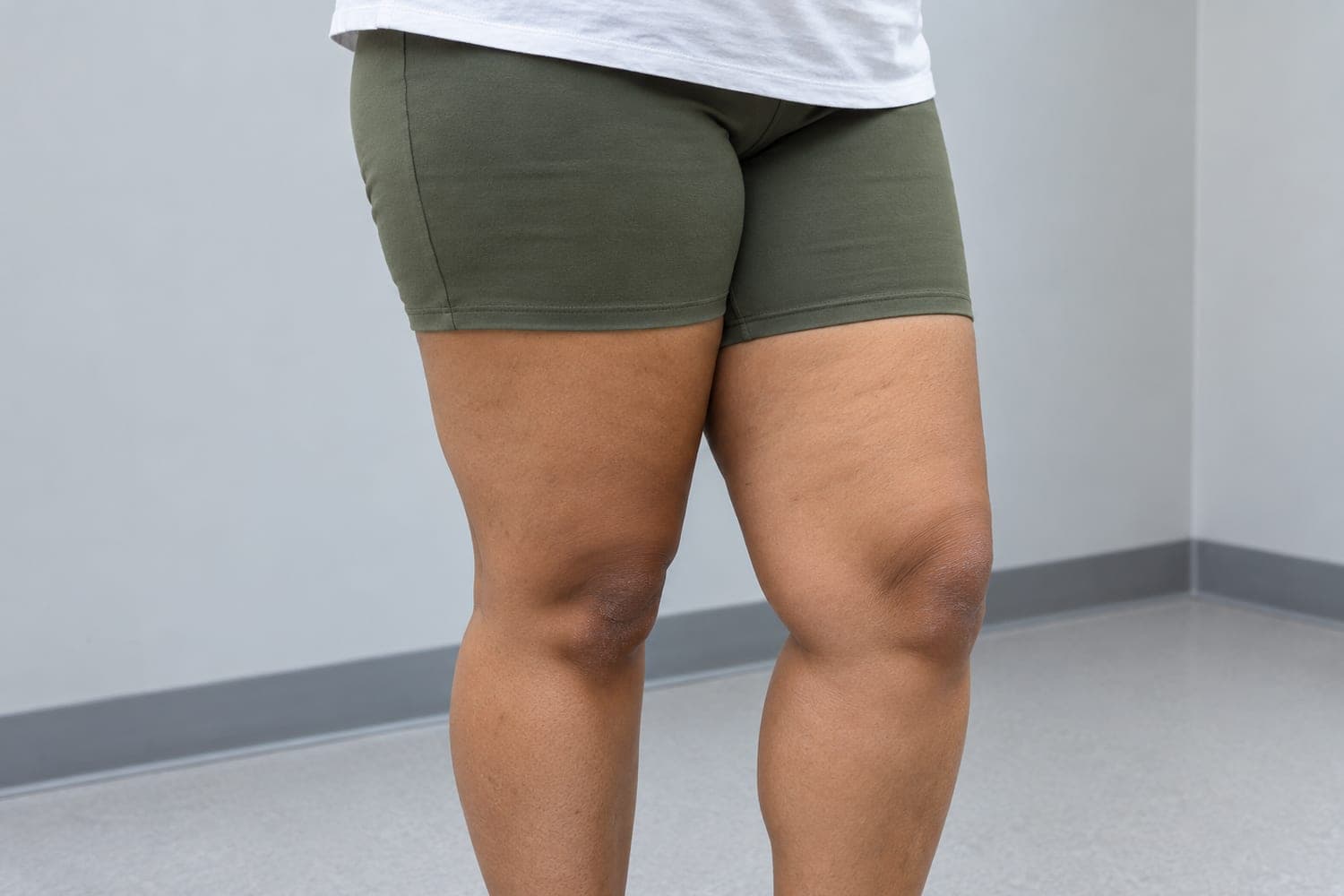
For many patients, thigh fat removal is about clothing fit, comfort, and body proportions rather than reaching a specific number on the scale. Persistent fullness along the inner thighs, outer thighs, saddlebags, or above the knees can affect how your legs look, even with consistent healthy habits. A plastic surgeon can determine whether localized fat, loose skin, or another concern is responsible. Liposuction, thigh lifts, and nonsurgical treatments each involve different results, recovery periods, and risks. This guide covers candidacy, treatment choices, costs, safety considerations, and consultation questions to help you make an informed decision.
Key Takeaways
Match the treatment to your concern
: Liposuction reduces localized thigh fat, a thigh lift removes excess skin, and nonsurgical treatments may suit smaller fat pockets.
Keep expectations realistic
: Thigh fat removal is for body contouring, not weight loss, and may not correct cellulite, significant swelling, or future changes from weight fluctuations.
Prepare for an informed consultation
: Discuss your health history, treatment options, recovery, risks, scars, costs, and follow-up care with Dr. Erick Martell at North Star Plastic Surgery.
What Is Thigh Fat Removal (Thigh Lift)?
Thigh fat removal refers to cosmetic treatments that reduce localized fat, remove excess skin, or improve the contour of the upper legs. It is a body-contouring approach, not a weight-loss procedure. Treatment may focus on fat that remains despite healthy eating and regular activity, including fullness along the inner thighs, outer thighs, saddlebags, or above the knees.
The best option depends on the cause of the concern. Liposuction may help reduce specific fat pockets when the skin has enough elasticity to contract. A thigh lift may be more appropriate when loose skin hangs after significant weight loss, pregnancy, aging, or changes in body size. Nonsurgical treatments may offer another option for some patients. North Star Plastic Surgery provides body contouring procedures and can help you understand which approach fits your anatomy and goals.
Localized fat, loose skin, cellulite, and swelling
Several different concerns can affect the appearance of the thighs, and they do not all respond to the same treatment. Localized fat may create fullness along the inner or outer thighs, even when your weight is stable. Liposuction can reduce selected fat deposits, while a thigh lift removes excess skin and tightens the remaining tissue. The Cleveland Clinic explains that thigh lifts remove excess skin and fat to reshape and tighten the thighs.
Cellulite is different from ordinary fat. It is partly related to connective bands beneath the skin, so removing fat does not guarantee that dimpling will disappear. Loose skin may also remain after fat reduction, particularly when the skin has limited elasticity. Swelling is a separate concern and can have medical causes. Temporary swelling may occur after treatment, but sudden or painful swelling should be evaluated by a qualified medical professional.
Inner thighs, outer thighs, saddlebags, and above-knee fat
Thigh fat removal may target one area or several areas, depending on your proportions and desired result. Inner-thigh treatment can reduce fullness between the legs. Outer-thigh liposuction may soften the transition between the hips and thighs, while saddlebags refer to fat along the upper outer thigh. Some patients also have fullness above the knees that affects the appearance of the lower thighs.
Treatment should create balance rather than focus on one area in isolation. Your surgeon may assess the hips, abdomen, buttocks, or knees when planning your procedure. Liposuction is intended for body contouring, not weight loss, and works best when a patient has a defined fat pocket and reasonably firm skin. The amount of fat removed must also remain within safe limits, based on your health and overall body shape.
What thigh fat removal can and cannot change
Thigh fat removal can reduce selected fat deposits and create a slimmer, more even contour. Liposuction may produce noticeable improvement when the skin can contract around the new shape. The American Society of Plastic Surgeons notes that liposuction alone may be sufficient when skin elasticity is good and excess skin is limited.
Treatment cannot remove every fat cell or prevent future weight changes. It also cannot guarantee perfectly smooth skin or eliminate all cellulite. Liposuction may not correct significant loose skin, and a thigh lift cannot change your underlying muscle or bone structure. A thigh lift can address hanging skin more directly, but it requires incisions and leaves scars. Your consultation should include a clear discussion of expected improvement, limitations, and alternatives.
Candidacy: stable weight, skin elasticity, and health
You may be a candidate if you are near your preferred weight, have realistic expectations, and have specific areas of fat or loose skin that concern you. Candidates are generally healthy, do not smoke or use nicotine, and can follow preparation and recovery instructions. Stable weight matters because major weight changes after treatment can affect your results.
Skin elasticity also helps determine the right procedure. Firm, flexible skin may tighten after liposuction, while thin or significantly loose skin may require a thigh lift. Your evaluation should include your medical history, previous surgeries, medications, supplements, allergies, and weight changes. Pregnancy plans and available support during recovery may also affect timing. A consultation with Dr. Erick Martell can help identify an appropriate surgical or nonsurgical option.
When sudden or painful swelling needs medical evaluation
Not all thigh swelling is caused by excess fat. Swelling that appears suddenly, affects only one leg, or occurs with pain, warmth, redness, or tenderness should be assessed by a medical professional. These symptoms may have causes that require prompt treatment, so cosmetic procedures should not be considered until the swelling has been evaluated.
After thigh surgery, bruising, tightness, numbness, and swelling can be part of normal healing. Contact your surgical team if swelling worsens quickly or occurs with severe pain, fever, chills, unusual drainage, bleeding, or increasing tenderness around an incision. The Cleveland Clinic advises patients to report leg swelling and other concerning symptoms. Chest pain or trouble breathing requires emergency medical care.
Which Thigh Fat Removal Option Fits Your Goals?
The best thigh fat removal option depends on what you want to change. A small, stubborn pocket of fat calls for a different approach than loose skin after weight loss, pregnancy, or aging. Your skin elasticity, fat distribution, overall health, and preferred recovery time all matter when choosing treatment.
During a consultation, your plastic surgeon can examine the inner thighs, outer thighs, saddlebags. And area above the knees to determine which option may create the most balanced result. North Star Plastic Surgery offers body contouring procedures in Fairbanks, Alaska, and can help you compare surgical and nonsurgical treatments based on your anatomy and goals.
Use liposuction for targeted fat and contouring
Liposuction may be a good fit if you have localized fat on the thighs and your skin still has reasonable elasticity. The procedure removes fat through small incisions, allowing a surgeon to refine the shape of the legs and create smoother transitions between treated areas. It can address the inner thighs, outer thighs, saddlebags, or above-knee fat, depending on your needs.
Liposuction is designed for body contouring, not weight loss. It generally works best for people who are near a stable weight and have fat that has not changed as much as the rest of the body with healthy habits. Swelling and bruising can temporarily hide the results, but the contours become more visible as healing progresses. Learn more about how thigh liposuction can target stubborn fat and improve leg shape.
Consider cryolipolysis for nonsurgical fat reduction
Cryolipolysis, often associated with CoolSculpting, uses controlled cooling to target fat cells without incisions or general anesthesia. The body gradually processes the treated cells over time. This option may appeal to people with a small, defined area of fat who prefer little or no downtime and do not want a surgical procedure.
Results develop gradually, and more than one session may be recommended. Cryolipolysis does not remove loose skin or provide the same degree of reshaping as surgery. Temporary tenderness, swelling, redness, bruising, numbness, and changes in sensation may occur. Your Surgeon should also explain the rare risk of paradoxical adipose hyperplasia, in which the treated area becomes larger. Review this guide to nonsurgical inner thigh fat reduction before discussing whether it suits your goals.
Understand why exercise cannot spot-reduce fat
Exercise can strengthen the legs and improve muscle tone, but it cannot direct the body to remove fat from one chosen area. Each person loses fat according to individual genetics, hormones, age, and body composition. As a result, changes may appear in the waist, face, arms, or other areas before the thighs.
Inner thigh exercises may build muscle, but they do not guarantee a reduction in inner thigh fat. A balanced diet and regular activity still support your health and can help you maintain a stable weight before and after treatment. If a persistent pocket remains despite consistent habits, a consultation can help determine whether a procedure may be appropriate. This explanation of why spot reduction does not work provides additional context.
Choose thigh lifts for excess skin and body contouring
A thigh lift may be more appropriate when loose skin, rather than isolated fat, is your primary concern. Skin laxity can develop after significant weight loss, pregnancy, or natural changes in skin elasticity. The procedure removes excess skin and may remove some fat, helping tighten and reshape the thighs.
The right technique depends on where the loose skin is located. An inner thigh lift focuses on the inner upper leg, while an outer or extended thigh lift may address laxity across the outer thigh, hip, or buttock area. Because a thigh lift involves incisions, your surgeon will explain scar placement, healing, and the amount of tightening that is realistic. The Cleveland Clinic's thigh lift guide explains how thighplasty can remove excess skin and improve thigh contour.
Compare results, sessions, downtime, and durability
Liposuction often creates a more noticeable change in one treatment, but it involves surgical recovery, including swelling, bruising, compression garments, and temporary activity restrictions. Cryolipolysis usually involves less downtime, but the results appear more gradually and may require repeat sessions. A thigh lift can create the most significant improvement when loose skin is present, though it involves a longer recovery and permanent scars.
Each option has different expectations for durability. Fat cells removed with liposuction do not grow back, but remaining cells can enlarge with significant weight gain. Nonsurgical results can also change with weight fluctuations, while a thigh lift does not stop future aging or changes in skin quality. Ask about recovery, follow-up treatments, exercise restrictions, and when final results can be assessed. After liposuction, contours often become clearer over two to four months as swelling decreases, although healing varies by patient and treatment plan.
Thigh Lift vs. Liposuction
A thigh lift and liposuction can both improve the shape of your thighs, but they solve different problems. Liposuction removes localized fat, while a thigh lift removes excess skin and reshapes the remaining tissue. Some patients need only one procedure, while others benefit from a combination.
The right option depends on several factors, including your skin elasticity, weight history, amount of excess tissue, target areas, and comfort with incisions and scars. A stable weight and realistic expectations also matter. Neither procedure replaces healthy habits or treats every concern, such as cellulite or sudden swelling.
During a consultation, Dr. Erick Martell can evaluate whether fat, loose skin, or both are affecting your thigh contours. North Star Plastic Surgery offers body contouring procedures in Fairbanks, Alaska, with treatment recommendations based on your anatomy, health, and goals.
Choose liposuction for localized fat and elastic skin
Liposuction may be a good fit if you have specific fat deposits that remain despite a stable weight and regular activity. Common treatment areas include the inner thighs, outer thighs, saddlebags, and fat above the knees. The procedure removes fat through small incisions, then allows the skin to contract around the newly shaped contour.
Good skin elasticity is important because liposuction does not remove loose skin. If your skin can redrape smoothly, you may see a slimmer, more defined thigh shape. If your skin is thin, crepey, or significantly lax, removing fat alone may leave you with additional looseness. The American Society of Plastic Surgeons liposuction guide explains what the procedure can and cannot address.
Consider thigh lifts after weight loss, pregnancy, or aging
A thigh lift may be more appropriate when loose, excess skin is your primary concern. Significant weight loss, pregnancy, and aging can stretch the skin and reduce its ability to contract. You may notice folds, rubbing, or hanging tissue that does not improve with exercise or maintaining your weight.
A thigh lift, also called thighplasty, removes excess skin and reshapes the thigh contour. Your surgeon may use limited liposuction as part of the procedure, but a thigh lift is not primarily a fat-removal treatment. Because it involves larger incisions than liposuction, your consultation should include a detailed discussion of scar placement, healing, and expected results. You can review North Star's body procedure options before your appointment.
Compare inner, outer, and extended thigh lifts
The type of thigh lift depends on where excess skin is located and how much tissue needs to be removed. An inner thigh lift focuses on laxity along the upper, inner thigh. It may help improve skin folds and rubbing in this area. An outer thigh lift addresses loose skin along the outside of the thigh and may also affect the hip or buttock area.
An extended thigh lift uses a longer incision to treat more extensive laxity. It may be considered after major weight loss when loose skin extends beyond the upper thigh. Your surgeon may recommend one approach or combine techniques to create more balanced contours. The ASPS thigh lift overview offers additional information about the procedure and its goals.
Combine liposuction with a thigh lift
Some patients have both localized fat and loose skin. In that situation, combining liposuction with a thigh lift may produce a smoother contour than using either procedure alone. Liposuction can refine areas of excess fat, while the lift removes extra skin and improves the overall shape of the thigh.
This approach is not right for everyone. Combining procedures can increase operating time and recovery demands, so your surgeon must consider the amount of tissue being treated. Your overall health, and whether you are planning other procedures. A combined treatment may also require careful staging rather than completing everything at once. Dr. Martell can explain whether this approach is appropriate during a personalized consultation.
Weigh incisions, scars, contour changes, and tradeoffs
Liposuction usually involves smaller incisions and may require less recovery time than a thigh lift. However, it cannot correct substantial loose skin. Temporary swelling, bruising, numbness, soreness, and contour irregularities can occur as your body heals. The final contour may take several months to become clear.
A thigh lift can create a more noticeable change in excess skin, but it requires longer incisions and leaves permanent scars that typically fade with time. Recovery may involve more restrictions, wound care, and compression. Neither procedure guarantees perfect symmetry or eliminates cellulite.
Before choosing a treatment, ask where scars will be placed, how your skin is expected to respond. How long compression garments may be needed, and when you can return to work and exercise. Comparing these tradeoffs with your priorities can help you select the approach that fits your body and goals.
What Results and Recovery Can You Expect?
Recovery from thigh fat removal depends on the treatment you choose, the amount of fat or loose skin addressed, and your overall health. Liposuction and thigh lifts involve surgery and require more downtime than nonsurgical treatments, but they may produce more noticeable contour changes. During your consultation, Dr. Erick Martell can explain what to expect and determine whether body contouring surgery fits your goals.
Manage liposuction swelling, bruising, and compression
Swelling, bruising, tenderness, and temporary numbness are common after thigh liposuction. Your thighs may look uneven or fuller than expected at first because the tissues need time to settle. A compression garment is often worn for several weeks to help manage swelling and support healing. Follow your surgical team's instructions about when to wear it, how to care for your incisions, and when you can remove it.
Some contour improvement may appear early, but swelling can hide your final shape for a while. Contact your surgical team if swelling suddenly worsens, one leg becomes much more painful or swollen than the other. Or you develop fever, unusual drainage, chest pain, or shortness of breath. Liposuction recovery guidance can also help you understand common healing changes.
Plan walking, exercise, work, and activity restrictions
Light walking is usually encouraged soon after surgery because gentle movement supports circulation. Start with short, easy walks and increase your activity only as your surgeon recommends. Some patients return to a non-physical job within a few days, but your timeline may be longer if you have extensive treatment or a physically demanding role.
Plan to avoid heavy lifting, strenuous exercise, and activities that place pressure on your thighs for several weeks. Arrange transportation home, keep frequently used items within reach, and ask someone to help with meals, pets, or children during the first part of recovery. Wait for your surgeon's approval before returning to running, strength training, or physically demanding work. During a consultation with North Star Plastic Surgery, you can discuss work restrictions and aftercare planning for your specific procedure.
Understand nonsurgical timelines and repeat sessions
Nonsurgical fat reduction usually involves little to no formal downtime, but results do not appear immediately. With cryolipolysis, treated fat cells gradually break down and are cleared by the body. Changes typically develop over several weeks and may continue to appear afterward. Temporary redness, swelling, tenderness, tingling, or changes in sensation can occur in the treated area.
Some patients need more than one session to reach their desired level of reduction. The number of treatments depends on the amount of fat present, the device used, and your goals. Nonsurgical treatment is generally better suited to modest, localized fat deposits than significant loose skin. Ask which non-invasive services may be appropriate and how long you should wait before assessing your final result.
Support thigh lift healing and scar maturation
A thigh lift removes excess skin and reshapes the thigh, so recovery often takes longer than recovery from liposuction alone. You may need to limit sitting, stretching, lifting, and other movements that place tension on the incision. Keep the surgical area clean and dry as directed, wear any recommended compression garment, and attend your follow-up appointments.
Scars form wherever a thigh lift incision is made. Their location and length depend on whether you have an inner, outer, or extended thigh lift. Scars often become flatter and lighter as they mature, but they do not disappear completely. Protect healing scars from sun exposure, and use silicone or other scar treatments only after your surgeon confirms that the incisions have closed. The Cleveland Clinic's thigh lift overview explains more about incision patterns, recovery, and scarring.
Track contour changes over three to six months
Your thighs may look smaller soon after treatment, but early swelling can make the shape difficult to evaluate. Liposuction results often become clearer within two to four months, although subtle changes may continue for several more months. Thigh lift patients also need time for swelling to resolve and scars to mature.
Take progress photos under similar lighting and in similar clothing if you want to monitor changes, but avoid comparing your thighs from one day to the next. Attend scheduled follow-up visits so your surgeon can assess healing, sensation, incision sites, and symmetry. Contact the office if you notice persistent or worsening swelling, a fluid collection, increasing pain, or changes around your incisions. Recovery timelines vary, so your personalized instructions should guide your expectations.
Maintain results with stable weight and healthy habits
Liposuction permanently removes many fat cells from the treated area, but it does not prevent future weight gain. Remaining fat cells can enlarge, and significant weight changes may alter the contour of your thighs. A thigh lift also cannot stop the skin from changing with aging, pregnancy, or major weight fluctuations.
After your surgeon clears you for regular activity, focus on consistent movement, balanced meals, and a weight you can maintain comfortably. Avoid smoking, and follow all instructions related to medications, nutrition, compression, and wound care. If you are planning significant weight loss or pregnancy, discuss the timing during your consultation. Maintaining a stable weight can help preserve your contour and clarify whether you may benefit from additional body-contouring treatment.
How to Choose a Fairbanks Thigh Lift Surgeon.
Choosing a Surgeon for thigh fat removal involves more than comparing prices or selecting the closest office. The right practice should evaluate your health, body proportions, skin elasticity, fat distribution, and personal goals before recommending treatment. Some patients may benefit from liposuction for localized fat, while others may need a thigh lift to address loose skin. Nonsurgical fat reduction may be suitable for smaller areas in select patients.
During your search, look for a Surgeon who explains your options clearly and sets realistic expectations. Ask about scars, recovery, risks, anesthesia, follow-up visits, and the limits of each treatment. The American Society of Plastic Surgeons recommends reviewing your medical history, skin condition, and goals before choosing a thigh lift or related procedure. A detailed consultation can help you decide whether treatment is appropriate and which approach best fits your needs.
Meet with Dr. Erick Martell for a personalized consultation
A consultation with Dr. Erick Martell can help identify the most suitable approach for your thighs. He can assess localized fat, skin quality, loose skin, body proportions, and any factors that may affect your results. Based on this evaluation, he may discuss liposuction, a thigh lift, or a nonsurgical option.
Prepare by bringing your medical history, medication and supplement list, allergies, previous procedure records, and questions about recovery. Be ready to explain which areas concern you and what kind of change you hope to see. You should leave with a clear understanding of potential results, limitations, risks, and next steps. You can request a consultation with North Star Plastic Surgery to begin the conversation.
Look for double board certification in General Surgery and Plastic & Reconstructive Surgery
Dr. Martell is double board-certified in General Surgery and Plastic & Reconstructive Surgery. This combination reflects training in general surgical care as well as the specialized techniques used in cosmetic and reconstructive procedures.
When comparing Surgeons, ask which boards certify the surgeon and whether their training relates to the procedure you are considering. Board certification does not guarantee a specific result, but it can demonstrate completion of recognized education, training, examinations, and professional requirements. A qualified surgeon should also determine whether treatment is safe and suitable for your health, anatomy, and goals. The American Board of Plastic Surgery provides information about certification and plastic surgery training standards.
Review body-contouring and post-weight-loss experience
Ask about body-contouring experience if you have lost a significant amount of weight, had children, or experienced major changes in your body size. Thigh liposuction can reduce localized fat, but it cannot remove substantial loose skin. In some cases, removing fat without treating lax skin may make the skin appear looser.
An experienced body-contouring Surgeon should assess your thighs alongside your hips, buttocks, and abdomen. This broader evaluation can help create balanced proportions and determine whether a thigh lift or combination procedure may be more appropriate. Review North Star Plastic Surgery's body-contouring procedures to learn more about treatment options for excess skin and changes after pregnancy or weight loss.
Consider 21 years of U.S. Army and surgical experience
Dr. Martell has 21 years of U.S. Army service, including surgical work during combat and humanitarian missions across the Middle East, Africa, and Asia. He also has experience in civilian surgical practice. These settings can require detailed planning, sound judgment, and careful attention to patient safety.
When speaking with a Surgeon, ask how often they perform procedures similar to yours and how they respond to unexpected concerns. Military experience is not a substitute for a personalized evaluation, but it offers useful context about a surgeon's background. You can learn more about Dr. Martell's training and experience before scheduling your appointment.
Confirm facility, anesthesia, accreditation, and emergency protocols
Before scheduling surgery, ask where the procedure will take place and who will administer anesthesia. Confirm whether the facility is licensed or accredited, what monitoring is used, and how the team handles complications. These questions matter whether you are considering liposuction alone or a thigh lift.
Your Surgeon should also explain preoperative instructions, transportation requirements, compression garments, medications, and aftercare. Ask who to contact after hours and where you should go if you develop concerning symptoms. The American Society of Plastic Surgeons outlines topics to discuss, including treatment options, risks, recovery, and expected results. A trustworthy practice should answer these questions directly.
Review before-and-after photos, reviews, follow-up care, and communication
Before-and-after photos can help you understand a surgeon's approach, but they should not be treated as a promise. Look for patients with similar concerns, body types, and treatment areas. Results can vary based on skin elasticity, fat distribution, healing, weight changes, and the procedure selected.
Reviews may offer insight into communication, scheduling, preparation, and postoperative care. Ask how many follow-up visits are included, how the team monitors healing, and how you can reach the office between appointments. You may also want to ask how the practice protects patient privacy when sharing photographs or testimonials. A responsible Surgeon will explain that individual results vary.
Confirm available thigh-specific surgical and nonsurgical treatments
Choose a practice that evaluates several options rather than recommending the same treatment for every patient. Depending on your anatomy and goals, treatment may include liposuction for localized fat. Nonsurgical fat reduction for selected areas, or a thigh lift for excess skin and more extensive contouring.
Ask whether the Surgeon treats the inner thighs, outer thighs, saddlebags, and fat above the knees. Discuss what treatment cannot change as well. Fat removal does not correct significant loose skin, cellulite, or swelling caused by a medical condition. North Star Plastic Surgery offers non-invasive aesthetic services alongside surgical care, giving you an opportunity to discuss the approach that best fits your concerns.
How Much Does Thigh Fat Removal Cost?
The cost of thigh fat removal depends on the treatment you choose, the areas being treated, and the amount of contouring required. Surgical options, such as liposuction or a thigh lift, typically have a higher upfront price than nonsurgical fat reduction. However, nonsurgical treatments may require several sessions, which can increase the total cost over time.
There is no single price that applies to every patient. Someone with a small pocket of fat and firm skin may need a different treatment from someone with loose skin after weight loss, pregnancy, or aging. Your health history, treatment goals, anesthesia needs, and recovery plan can also affect the estimate.
A personalized quote is more helpful than a general online price range. During a consultation with North Star Plastic Surgery, Dr. Erick Martell can assess your fat distribution, skin quality, and goals before recommending an appropriate plan. Your estimate should explain what is included, what may cost extra, and whether another procedure could provide a more suitable result.
Understand why prices vary by treatment
Thigh fat removal may involve liposuction, nonsurgical fat reduction, a thigh lift, or a combination of procedures. Each option has different equipment, staffing, facility, anesthesia, recovery, and follow-up requirements. Liposuction removes fat through small incisions, while nonsurgical treatments gradually reduce fat without surgery. A thigh lift focuses mainly on excess skin and may include liposuction as part of the contouring plan.
The option with the lowest starting price may not be the least expensive overall. Nonsurgical treatment may require multiple appointments, while surgery usually involves a larger initial expense and a defined recovery period. Ask your Surgeon to compare the expected results, number of visits, downtime, and likely total cost of each approach before making a decision.
Account for surgical, facility, anesthesia, garment, medication, and aftercare fees
A surgical estimate includes more than the surgeon's fee. Ask whether the quoted price covers the facility, anesthesia, preoperative testing, compression garments, prescriptions, and postoperative appointments. Some practices list these charges separately, while others provide a bundled estimate. Knowing the difference can help you plan accurately and avoid unexpected expenses.
Compression garments may be recommended after liposuction, and prescriptions may include pain medication or other treatments. Follow-up visits are also an important part of care because your surgical team needs to monitor healing and address concerns. The American Society of Plastic Surgeons' liposuction cost information explains why the surgeon's fee represents only one part of the total procedure cost.
Consider per-session pricing and repeat nonsurgical treatments
Nonsurgical fat reduction may be priced by treatment area, applicator, or appointment. The number of sessions you need depends on the amount of fat, the device used, and how your body responds. One session may be appropriate for a small area, while larger or more noticeable areas may require additional treatments.
When comparing options, ask for an estimate of the likely total number of sessions, not just the price of the first appointment. Find out how far apart sessions should be scheduled and when you can expect to see the final change. This gives you a more realistic comparison between gradual nonsurgical treatment and a surgical option that may create more significant contouring in one procedure.
Evaluate treatment areas, technique, and procedure complexity
Treating a small area on the outer thigh may require less time and planning than contouring both thighs, the inner knees, saddlebags, or nearby areas. The number of areas treated can affect surgical time, anesthesia requirements, facility fees, and recovery. Additional contouring may also change the estimate.
Technique matters as well. A patient with localized fat and good skin elasticity may need a different plan from someone with significant loose skin after weight loss or pregnancy. North Star Plastic Surgery offers a range of body procedures, and a consultation can help determine whether liposuction, skin removal, or a combination approach best suits your anatomy and goals.
Request a personalized, itemized estimate
Ask for a written estimate that separates the surgeon's fee from facility and anesthesia charges. It should identify costs for preoperative appointments, laboratory work, compression garments, medications, follow-up visits, and any planned combination procedures. If revisions or unexpected additional treatment are not included, ask how those costs would be handled.
Bring your questions to the consultation and confirm when each payment is due. You can also ask whether the estimate changes if the treatment plan expands to include another thigh area or a procedure such as a thigh lift. An itemized estimate makes it easier to compare Surgeons based on the full cost of care, rather than an advertised starting price.
Ask about medical financing or payment plans
Cosmetic thigh fat removal is usually paid out of pocket, but some practices offer financing or payment plans through third-party services. Ask which options are available, whether approval is required, and whether the plan includes interest, application fees, or a promotional rate. Review the total repayment amount before signing an agreement.
Your budget should account for more than the procedure itself. Include time off work, travel, prescriptions, compression garments, and help at home. If you are considering a service such as CareCredit, review its patient financing information directly and compare the terms with other options. The practice can explain accepted payment methods, but you should make the final decision after reviewing the written terms.
Clarify cosmetic coverage limits and reconstructive insurance options
Insurance generally does not cover liposuction or other procedures performed only to change the shape or appearance of the thighs. Before scheduling treatment, contact your insurer and ask about cosmetic exclusions, deductibles, and any applicable coverage limits. Your Surgeon's office can explain its billing process, but your insurance company makes coverage decisions based on your policy.
Reconstructive care may be treated differently when it addresses a documented medical need, such as tissue damage, functional problems, or reconstruction after an injury or cancer treatment. Coverage requirements vary, and approval may require medical records, photographs, referrals, or prior authorization. Ask your insurer which documents are needed, then discuss your options with your surgeon during a consultation.
What Are the Risks and Side Effects?
Thigh fat removal can improve body contour, but every treatment carries potential side effects. The risks depend on the approach, the amount of tissue treated, your medical history, and how closely you follow recovery instructions. Liposuction, a thigh lift, and nonsurgical fat reduction each have different benefits, limitations, and safety considerations.
During a consultation, your Surgeon should review your goals, examine your thighs, and discuss whether fat, loose skin, cellulite, or a combination of concerns is affecting your contour. North Star Plastic Surgery offers personalized consultations for patients in Fairbanks and surrounding areas.
Share your complete health history before treatment, including medications, supplements, allergies, nicotine use, previous surgeries, and any history of blood clots or wound-healing problems. Ask about expected results, scars, anesthesia, recovery, alternatives, and warning signs. No procedure can guarantee perfectly smooth or symmetrical thighs, and nonsurgical treatments may require multiple sessions.
Expect swelling, bruising, soreness, numbness, and tightness
Swelling, bruising, tenderness, and soreness are common after thigh liposuction or a thigh lift. You may also notice tightness, tingling, or temporary numbness around the treated areas. These effects usually improve gradually as healing progresses, although swelling can last for several weeks and may change with activity.
Your surgeon may recommend a compression garment, medication, short walks, and temporary limits on exercise. Follow those instructions instead of trying to accelerate your recovery. Keep your follow-up appointments so the team can check your healing. Call the practice if pain suddenly worsens, swelling appears mainly on one side, or your symptoms do not improve as expected.
Recognize liposuction risks, including infection, bleeding, seroma, and contour irregularities
Liposuction removes fat through small incisions, but it remains a surgical procedure. Possible complications include infection, bleeding, fluid buildup called a seroma, changes in skin sensation, and contour irregularities such as dents, rippling, or uneven areas. Treating a large area or several areas at once may affect your risk and recovery.
Liposuction also cannot remove significant loose skin or correct cellulite by itself. Your surgeon will assess your skin elasticity and fat distribution before recommending treatment. The American Society of Plastic Surgeons' liposuction guidance outlines common risks and recovery considerations. Ask how the technique and treatment volume may affect your results.
Understand thigh lift risks, including wound problems, asymmetry, scars, and blood clots
A thigh lift removes excess skin and reshapes the thigh, but its longer incisions require more wound care than liposuction alone. Potential complications include delayed healing, wound separation, infection, fluid collection, noticeable scars, asymmetry, and changes in sensation. Incisions near the groin or inner thigh may also experience moisture, friction, and movement during healing.
Blood clots are another uncommon but serious risk associated with major surgery. Your surgeon may recommend early walking, compression, or other preventive measures based on your health history. Follow activity instructions and avoid remaining still for long periods unless your care team tells you otherwise. Review the American Society of Plastic Surgeons' thigh lift information before your consultation.
Prepare for nonsurgical tenderness, irritation, burns, and sensation changes
Nonsurgical fat reduction does not involve surgical incisions, but it can still cause temporary reactions. Depending on the technology, you may experience redness, swelling, bruising, tenderness, tingling, itching, irritation, or changes in sensation. These effects may begin shortly after treatment or develop over the following days.
Some energy-based treatments can cause burns or skin injury if the device is used incorrectly or is unsuitable for your skin or treatment area. Tell your Surgeon about scars, skin conditions, reduced sensation, hernias, and previous procedures. Ask which device will be used, what side effects are typical, and how the practice handles unexpected reactions.
Learn about cryolipolysis and paradoxical adipose hyperplasia
Cryolipolysis, often called fat freezing, uses controlled cooling to target fat cells. Temporary redness, swelling, tenderness, bruising, tingling, and numbness may occur afterward. These effects generally resolve with time, but your Surgeon should explain what is normal and when you should call the practice.
A rare complication called paradoxical adipose hyperplasia can cause the treated area to become larger and firmer instead of smaller. The FDA's information on non-invasive body contouring explains this risk and other safety considerations. Ask whether your anatomy and medical history make cryolipolysis appropriate, and confirm that a trained Surgeon will use an appropriate device.
Discuss how smoking, medications, health conditions, and weight changes affect safety
Smoking and nicotine use can restrict blood flow and interfere with wound healing. Your surgeon may ask you to stop smoking or using nicotine products before and after surgery. Do not stop a prescribed medication without medical advice, but provide a complete list of prescriptions, vitamins, supplements, hormones, and recreational substances. Some products can affect bleeding, anesthesia, or recovery.
Diabetes, circulation problems, clotting disorders, immune system concerns, and previous wound-healing problems may change your treatment plan. Weight fluctuations after treatment can also alter your contour or create additional loose skin. A stable weight generally supports more predictable results. During your consultation, ask how your health history may affect candidacy, timing, safety, and recovery.
Know when to contact the surgical team promptly
Contact your surgical team promptly if you notice heavy or persistent bleeding, rapidly increasing swelling, severe or worsening pain, spreading redness, pus, fever, or an incision that opens. These symptoms may require an assessment rather than routine monitoring.
New shortness of breath, chest pain, fainting, or sudden leg pain and swelling may indicate an emergency. Seek immediate medical care for these symptoms instead of waiting for a callback. Before treatment, save your Surgeon's after-hours contact information and review the discharge instructions. During your North Star Plastic Surgery consultation, ask how postoperative questions, urgent concerns, and follow-up visits are handled.
What Should You Ask at a Thigh Fat Removal Consultation?
A consultation is your opportunity to explain what you want to change and learn which treatment best fits your anatomy, health, and expectations. Prepare a written list of questions before your appointment so you can leave with a clear understanding of your options. You may also bring photos that show your preferred contour, but remember that your surgeon will make recommendations based on an in-person examination. Your skin quality, and the amount and location of excess fat.
Think beyond the procedure itself. Ask how the treatment will affect your daily routine, what recovery may feel like, and whether the expected result matches your goals. It is also important to discuss whether your concerns involve localized fat, loose skin, cellulite, or a combination of factors. Liposuction may reduce targeted fat, while a thigh lift may be more appropriate when excess skin is the primary concern.
At North Star Plastic Surgery, Dr. Erick Martell can evaluate your concerns and discuss surgical and nonsurgical body-contouring options. Reviewing the practice's body procedures before your visit can help you prepare focused questions. Use the topics below as a starting point for your consultation.
Bring your health history, medications, supplements, allergies, and procedure records
Share your complete medical history, including previous surgeries, anesthesia reactions, chronic conditions, and any history of blood clots or healing problems. Bring an up-to-date list of prescription medications, over-the-counter drugs, vitamins, and supplements. Some products can affect bleeding or anesthesia, so accurate information helps your surgeon plan safely.
Tell the practice about allergies, nicotine use, recent illnesses, and significant weight changes. If you have had liposuction, body contouring, or another relevant procedure, bring those records when possible. Do not stop taking medication without medical guidance. Instead, ask whether any medication or supplement needs to be adjusted before treatment and when those changes should begin.
Explain your target areas, skin concerns, goals, and timeline
Describe the areas that concern you, such as the inner thighs, outer thighs, saddlebags, or fat above the knees. Explain whether your main concern is excess fat, loose skin, cellulite, uneven contours, or chafing. These details can help your surgeon determine whether liposuction, a thigh lift, a nonsurgical treatment, or another approach may be appropriate.
Discuss your desired outcome in practical terms. You may want clothing to fit more comfortably, your thighs to look smoother, or your legs to appear more balanced with your hips. Share your timeline, including upcoming events, travel, work obligations, or plans for additional weight loss. If you have reference photos, bring them to support the conversation, while keeping expectations realistic.
Ask about technique, anesthesia, scars, compression, and expected results
Ask which technique your surgeon recommends and why. For liposuction, ask where incisions will be placed, how fat will be removed, and whether one or several areas can be treated safely. If a thigh lift is being considered, ask where the incisions will extend and how scars may look over time. The American Society of Plastic Surgeons' thigh lift guide offers helpful background before your appointment.
Clarify whether the procedure will involve local anesthesia, sedation, or general anesthesia, and ask who will administer it. You should also ask whether you will need a compression garment and how long you may need to wear it. Request a realistic explanation of the likely contour change, including what the procedure cannot correct. Before-and-after photos may provide context, but results vary based on anatomy, skin elasticity, and healing.
Discuss alternatives, combination procedures, risks, and recovery
Ask what other treatments could address your concerns if thigh fat removal alone is not the best fit. When loose skin is the main issue, removing fat without tightening the skin may produce an uneven or less satisfying contour. Your surgeon may recommend a thigh lift or another body-contouring procedure. You can also ask whether combining procedures could improve your result and how that choice would affect surgical time and recovery.
Make sure you understand common side effects and possible complications, including swelling, bruising, soreness, numbness, infection, bleeding, fluid collection, contour irregularities, wound-healing problems, and blood clots. Ask how your medical history may affect these risks. Request a written recovery outline that explains when you can shower, drive, return to work, exercise, and resume other activities.
Plan transportation, time off work, home support, and aftercare
Ask how long you will stay at the surgical facility and whether someone must drive you home. If you receive anesthesia or sedation, you may need a responsible adult to stay with you during the first night. Arrange help with meals, childcare, pets, and household tasks before surgery, especially if bending, lifting, or prolonged walking will be limited.
Ask how much time you should take off work based on your job's physical demands. Confirm when you can walk comfortably, climb stairs, and return to exercise. Discuss incision care, compression garments, pain management, bathing, and follow-up visits. North Star Plastic Surgery's consultation page provides a convenient starting point for scheduling an appointment and discussing your treatment goals with the practice.
Review costs, financing, follow-up visits, and emergency contacts
Request an itemized estimate that separates the surgeon's fee, facility costs, anesthesia, compression garments, medications, and follow-up care. The total may vary based on the treatment area, technique, anesthesia, and whether you need a thigh lift or another procedure. If a nonsurgical option is recommended, ask whether multiple sessions may be necessary and how each session is priced.
Ask which payment options or financing plans are available, and clarify when deposits and remaining balances are due. Confirm how many follow-up visits are included and whether additional appointments have separate fees. Before leaving, save the practice's regular and after-hours contact information. Ask which symptoms require a prompt call, such as worsening pain, heavy drainage, fever, shortness of breath, or sudden leg swelling.
Related Articles
Inner Thigh Fat Removal: Surgical and Nonsurgical Options
Liposuction Treatment Areas: Thigh Liposuction
Frequently Asked Questions
Is thigh fat removal a weight-loss treatment? No. Thigh fat removal is intended to refine specific areas that remain full despite healthy habits and a relatively stable weight. It does not replace weight-loss efforts or treat obesity.
How do I know whether I need liposuction or a thigh lift? Liposuction may suit you if localized fat is the main concern and your skin can tighten after fat removal. A thigh lift may be better when loose or hanging skin is the primary issue. Some patients may benefit from combining both procedures.
Can thigh fat removal get rid of cellulite? Not completely. Cellulite involves the structure beneath the skin, so reducing fat may not remove dimpling. Your surgeon can explain which improvements are realistic based on your skin quality and body shape.
How long does recovery take after thigh fat removal? Recovery varies by treatment. Nonsurgical procedures usually involve minimal interruption to daily activities, while liposuction and thigh lifts require more healing time. Swelling and bruising may last for several weeks, and strenuous exercise should wait until your surgeon gives approval.
How can I learn which treatment is right for me in Fairbanks? A consultation with Dr. Erick Martell at North Star Plastic Surgery can help determine whether liposuction, a thigh lift, or a nonsurgical option fits your goals. The evaluation will consider your health, skin elasticity, fat distribution, weight history, and desired recovery.
This article is educational and is not medical advice. Whether a procedure is right for you is decided through an evaluation with the practice.