
Erick MartellOct 511 min read
For adults researching a tummy tuck in Fairbanks, Alaska, the first step is understanding what abdominoplasty is designed to address—and what it cannot change. A tummy tuck is a surgical procedure that may remove excess abdominal skin and, when appropriate, address the abdominal wall; the right approach depends on an individual evaluation. This guide explains candidacy questions, full and mini approaches, the general procedure process, recovery planning, and how a tummy tuck differs from a panniculectomy. For a wider view of local options, see our guide to body contouring in Fairbanks.
What is a tummy tuck and who is a good candidate?
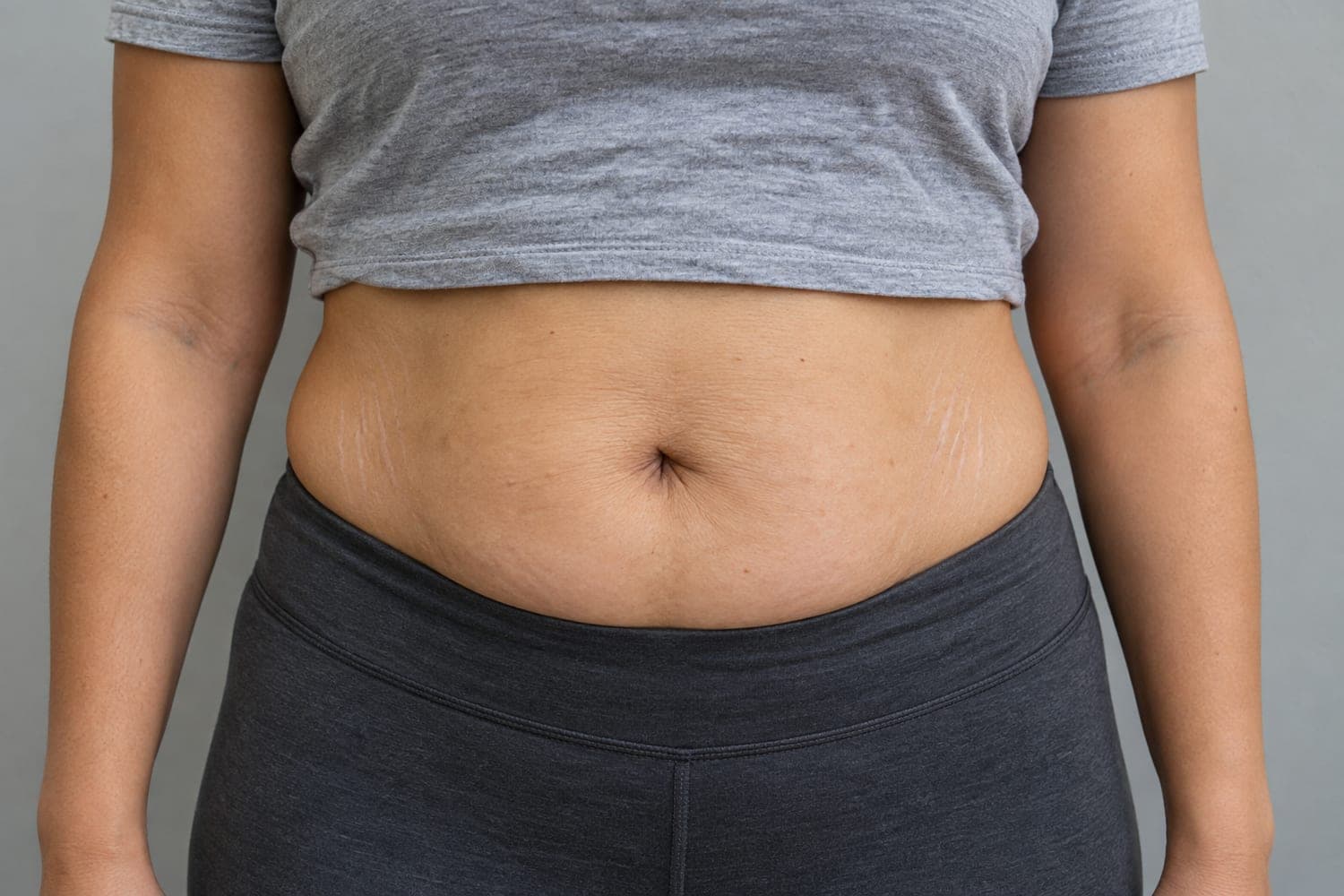
A tummy tuck, or abdominoplasty, is an operation that changes the contour of the abdomen by removing a planned amount of excess skin. Depending on the surgical plan, the surgeon may also address separation or laxity of the abdominal wall muscles. The details differ from person to person. It is not a weight-loss procedure, and it does not prevent future changes in weight, pregnancy, or aging.
Some people consider this procedure after pregnancy, significant weight change, or simply because loose abdominal skin remains despite other changes. Those circumstances alone do not establish whether surgery is appropriate. During an evaluation, a surgeon considers the person’s anatomy, health history, goals, expectations, and the practical demands of recovery. Only a consultation can determine whether a tummy tuck or another option is suitable for a particular patient.
It can help to separate a concern about skin from a concern about fat, muscle function, or overall body weight. Procedures have different purposes, and one may not address every concern. A tummy tuck is not a substitute for medical weight management or a general fitness plan. It is also not a guarantee of a specific shape or result. A useful consultation conversation focuses on realistic goals and the tradeoffs of surgery, including scars, recovery, and possible complications.
Before booking, consider whether you can plan for time away from usual activities and have practical support available during the initial recovery period. Ask what restrictions may apply to work, household tasks, exercise, driving, and caregiving. Those answers vary with the operation and the patient’s circumstances, so they should come from the treating surgical team rather than a general article.
North Star Plastic Surgery is based in Fairbanks and provides body procedures, including a tummy tuck service page for patients seeking local information. Dr. Erick Martell is double board certified in General Surgery and Plastic & Reconstructive Surgery. Board certification reflects specialty training and examination; patients can ask a surgeon about certification, experience, and who will provide follow-up care. The American Society of Plastic Surgeons offers general patient information about plastic surgery. Use educational resources to prepare questions, not as a way to decide whether an operation is right for you.
Full vs. mini abdominoplasty: which is right for you?
“Full” and “mini” describe broad approaches, not a standard menu with one universally correct choice. The amount and location of excess skin, the abdominal wall, prior operations, and a person’s goals all matter. The name of a procedure alone does not tell you precisely what will be done; the surgeon explains the proposed plan during an individual assessment.
A full abdominoplasty generally addresses a broader area of the abdomen than a mini approach. It may be discussed when skin excess extends beyond a small lower-abdominal area or when the surgeon believes a broader correction is needed. A mini abdominoplasty is more limited and may be considered when concerns are concentrated in a smaller area below the navel. It is not simply a smaller version that is automatically easier, safer, or more appropriate.
There is no reliable self-test for choosing between them. A photograph or a measurement cannot capture all of the factors that shape a surgical plan. The surgeon needs to assess skin, tissue, abdominal wall, medical history, and the patient’s priorities. In some cases, neither approach is recommended, or another procedure or no operation may better fit the situation.
Question to compare
Full abdominoplasty
Mini abdominoplasty
Area considered
May address a broader abdominal area, based on examination
Generally focused on a more limited lower-abdominal area
How is the plan chosen?
Based on anatomy, goals, health history, and surgeon evaluation
Based on the same individual factors; not selected by name alone
What should be discussed?
Incision and scar placement, whether the abdominal wall is addressed, risks, and recovery restrictions
Extent of change, limitations of a limited approach, risks, and recovery restrictions
Can an article determine candidacy?
No. An in-person clinical evaluation is needed
No. An in-person clinical evaluation is needed
Use the table as a question list, not as a way to match yourself to an operation. Ask what areas a proposed procedure is intended to change, where scars may be, what it will not change, and why the surgeon recommends that plan over another. It is reasonable to ask whether your goals are achievable without combining procedures. The answer should be specific to your examination and medical history.
For related options, North Star’s pages on liposuction and body contouring can help you prepare questions about how different procedures are described. These pages are not a substitute for a clinical assessment, and a procedure should not be assumed to be appropriate simply because it appears in an online menu.
Tummy tuck surgery: what happens during the procedure?
The process usually begins well before the day of surgery. At a consultation, the surgeon listens to the patient’s priorities, reviews relevant health information, performs an examination, and discusses possible approaches and limitations. If surgery is considered, the team explains the proposed operation, preparation requirements, anesthesia arrangements, risks, and follow-up plan. Patients should have time to ask questions and understand the plan before making a decision.
Preparation is individualized. A patient should share a complete health history and follow the surgical team’s instructions about medications, smoking or nicotine, eating and drinking before surgery, and arranging transportation and support. Do not stop or start medication based on general online information. Ask the treating clinician how to handle it. If a health condition or life circumstance changes, tell the care team before the procedure.
During abdominoplasty, the surgeon works through planned incisions to remove selected excess skin and shape the abdominal area according to the agreed plan. Whether and how the abdominal wall is addressed depends on the individual operation. The surgical team explains incision placement and likely scar location in advance. Scars are an expected part of surgery and can change in appearance over time; their final appearance varies, and no surgeon can promise a particular scar or outcome.
The length and specific details of an operation vary. It may be performed with other procedures in selected cases, but combining operations changes the plan and can affect the risk and recovery discussion. Ask who will be involved in your care, where the operation will take place, what support is available, and how questions or concerns are handled after you return home.
A consultation is also the time to discuss risks. All surgery involves potential complications, and the risks depend on the procedure and patient. Ask the surgeon to explain the risks that are most relevant to you, how complications are addressed, and what symptoms require prompt contact with the care team. If you have a medical emergency, call 911 rather than using a blog or routine office contact for urgent help.
Recovery timeline after a tummy tuck
There is no single recovery calendar that applies to every patient. The operation performed, a person’s health, healing, and the demands of everyday life all affect the pace. The following broad phases are planning prompts only. Your surgeon’s instructions take precedence, including instructions about wound care, garments, medication, activity, and follow-up.
Before surgery:
Arrange transportation and help with essential tasks. Plan for a suitable place to rest and ask the care team what supplies, if any, to have ready. If you live outside central Fairbanks, consider how you will get to scheduled follow-up visits and what you will do if you need to contact the team.
Early recovery:
Expect to need time for rest and assistance with some everyday activities. Follow instructions for moving, caring for incisions, and taking medication. Do not resume driving, lifting, or other restricted activities until the surgical team says it is appropriate.
As healing continues:
Activity may increase gradually, but the timing depends on the procedure and your progress. Ask when you can return to work, exercise, household responsibilities, and travel. Avoid using another person’s recovery timeline as a benchmark for your own.
Later healing:
Swelling and scar appearance can continue to change. Keep follow-up appointments so the surgeon can assess healing and answer questions. A gradual return to usual routines should follow the care team’s guidance rather than a fixed date found online.
For Fairbanks and Interior Alaska residents, recovery planning can include local logistics. Think about the distance to the office, winter road conditions, transportation, childcare, and whether a support person can help with tasks you should avoid. If you are traveling from another community, ask the team what follow-up schedule is expected and how to reach them between visits. Local continuity can make it easier to plan questions and follow-up, but patients should confirm the practical details directly with the office.
Know how to contact your surgical team and what changes should prompt a call. Ask for clear written instructions before leaving care. If you are uncertain whether a symptom is expected, contact the treating team rather than relying on an online discussion or waiting for a routine visit. Seek emergency care for an emergency. Recovery is not just a number of days; it includes healing, follow-up, and a safe return to activity.
For a broader look at options after weight change, see the practice’s information about panniculectomy and arm lift surgery. These are separate procedures with their own indications and recovery considerations.
Tummy tuck vs. panniculectomy: understanding the difference
A tummy tuck and a panniculectomy can both involve removing excess abdominal skin, but they are not interchangeable terms. A panniculectomy focuses on removing a hanging fold of skin and tissue, often called a pannus. Abdominoplasty is generally discussed as a contouring procedure and may include additional shaping or abdominal wall work depending on the surgical plan. The exact scope must be explained by the surgeon; labels alone do not establish what will be performed.
People sometimes ask whether a panniculectomy is covered by insurance. Coverage is not automatic. It can depend on the medical circumstances, documentation, policy language, and insurer review. North Star’s team can discuss the practice’s process and which questions to direct to your insurer, but a blog cannot determine coverage or guarantee payment. Do not assume that a procedure is covered based only on its name or on another patient’s experience.
When you discuss the difference, consider asking:
What concern is this proposed procedure intended to address?
Which areas of skin or tissue would be removed, and what areas would not be changed?
Would the plan include contouring or work on the abdominal wall?
What documentation may be needed if I want to ask my insurer about coverage?
What risks, scar locations, and activity restrictions should I understand?
The answers can help clarify whether the discussion is about a functional concern, contour goals, or both. They also prevent confusion when comparing recommendations from different sources. If you are considering a procedure after significant weight change, mention your history and goals during the consultation so the surgeon can discuss what is and is not realistic in your individual case.
Combining a tummy tuck with other body contouring procedures
Some patients ask whether a tummy tuck can be combined with another procedure. Whether that is appropriate depends on health, anatomy, goals, the scope of surgery, and the surgeon’s safety assessment. Combining procedures is not automatically more convenient or a better value. It can change the length and complexity of surgery, the risk discussion, and the support needed during recovery. The surgeon should explain the reasoning and alternatives for any combined plan.
For example, a patient may ask about liposuction or other body procedures alongside abdominal surgery. Those procedures address different tissues and concerns; one does not simply replace the other. The practice lists procedures such as liposuction, arm lift, thigh reduction, and body contouring. This does not mean each can or should be paired with a tummy tuck in every case. A tailored examination is necessary to discuss what is appropriate.
A mommy makeover is a term used for a combination plan that may include breast and body procedures. It is not one standardized operation. The components, order, and recovery needs vary. North Star’s mommy makeover information and pages about a breast lift can help you make a list of questions, but only a consultation can establish whether any combination fits your circumstances.
When comparing a combined plan with staged procedures, ask the surgeon to describe the tradeoffs in plain language: what each option addresses, how the plan affects recovery and follow-up, what risks apply, and what happens if you decide to proceed with only one procedure. You should not feel pressured to add procedures. The decision should reflect your goals and informed discussion with the surgeon.
What does tummy tuck cost in Fairbanks?
Procedure fees vary with the operation, its complexity, anesthesia and facility arrangements, and the patient’s individual plan. North Star Plastic Surgery does not provide procedure prices in this article. Ask the practice for current, individualized information during a consultation, and request a clear explanation of what is included. Avoid comparing a single advertised figure with a personalized quote unless you know both describe the same services and circumstances. financing information
Questions to bring to a Fairbanks consultation
A little preparation can make a consultation more useful. Write down what you hope to change and what matters most in daily life, such as returning to work or arranging help at home. Bring a current list of medications and relevant medical history, and be ready to discuss prior abdominal procedures and changes in weight. The surgeon will determine what information is needed for an evaluation.
Am I a candidate for abdominoplasty, a panniculectomy, another procedure, or none of these?
What would you recommend changing, and what would remain unchanged?
Why do you recommend a full or mini approach for my anatomy?
Where may the scars be, and what should I realistically expect from healing?
What are the risks in my case, and what signs mean I should contact the team?
What restrictions should I plan for, and when might I return to my usual activities?
How will follow-up work if I live outside Fairbanks or have difficulty traveling?
What is included in the fee estimate, and who can answer financing questions?
Dr. Martell is double board certified in General Surgery and Plastic & Reconstructive Surgery. Patients may ask about a surgeon’s training, experience with the procedure under consideration, and follow-up arrangements. North Star Plastic Surgery offers consultations in Fairbanks, giving patients in the surrounding area an opportunity to discuss local care and continuity directly with the practice.
Frequently asked questions
Is a tummy tuck a weight-loss procedure?
No. Abdominoplasty is a surgical procedure that may remove excess skin and alter abdominal contour. It is not designed to replace weight management, and it cannot prevent future changes. Ask the surgeon how your goals and health history affect the discussion.
Does a mini tummy tuck avoid a scar?
No procedure should be assumed to leave no scar. The incision and scar depend on the operation, and scar healing varies from person to person. Ask the surgeon where an incision may be and what can realistically be expected.
How long is tummy tuck recovery?
There is no one recovery timeline for everyone. The procedure, health, healing, and daily responsibilities all affect when activities can resume. Your surgical team should give you individualized instructions and discuss follow-up.
Can I combine a tummy tuck with breast surgery?
Some patients ask about combined procedures, but suitability depends on an individual evaluation and safety considerations. A consultation is needed to discuss possible components, risks, and whether staging procedures is an alternative.
Discuss your options with a Fairbanks plastic surgeon
Choosing whether to explore a tummy tuck starts with understanding your goals, learning what different procedures are intended to address, and discussing benefits, limitations, risks, and recovery with a qualified surgeon. If you are researching abdominoplasty in Fairbanks or Interior Alaska, bring your questions to a consultation and ask for a plan tailored to your circumstances. No article can confirm candidacy or predict an individual result.
This article is educational and is not medical advice. Whether a procedure is right for you is decided through an evaluation with the practice.